Nutrition21 September 2026 · 4 min read
Ajwain for bloating: does this kitchen staple work?
Ajwain (carom seeds) has been used in Pakistani kitchens for digestion for generations. Here is what it may actually help with, from a dietitian.
Ajwain has been sitting in Pakistani kitchen masala boxes for generations, usually reached for the moment someone complains of a heavy stomach after a meal. It is one of those remedies passed down so consistently that almost nobody questions it — which makes it worth actually looking at directly: what ajwain may help with, how it is traditionally used, and where the evidence genuinely supports the tradition.
What ajwain actually is
Ajwain — carom seeds, sometimes called bishop's weed — are small, oval seeds with a sharp, slightly bitter, thyme-like flavour and aroma. They come from the same plant family as cumin and fennel, and in Pakistani cooking they show up in parathas, dals, pickles, and most commonly as a digestive aid taken on their own after a heavy meal.
The traditional use, and what sits behind it
The most common home remedy is straightforward: a small pinch of ajwain, sometimes with a little black salt, chewed directly or steeped in warm water after eating. This practice is old enough that it predates any scientific literature on it, which is exactly why it is worth being careful about — a remedy being traditional does not automatically make it effective, but it also does not mean it is not.
Ajwain contains thymol, a compound also found in thyme, which has documented carminative properties — meaning it may help relax the digestive tract and support the release of trapped gas. This is consistent with what the tradition claims it is for: the after-meal heaviness and bloating that comes from a large or rich meal, not a treatment for an underlying digestive condition.
What ajwain may genuinely help with
Based on its traditional use and what is understood about thymol's carminative action, ajwain water or seeds after a meal may support the following.
- Relief from the immediate discomfort of a heavy, gas-related bloated feeling after eating.
- A general sense of digestive ease following a rich or oily meal.
- The traditional pairing with foods known to ferment more actively in the gut — beans, lentils, cabbage — where a small amount alongside the meal is a long-standing practice for exactly this reason.
This is a narrow, specific role — supporting comfort after a particular kind of meal — not a treatment for chronic digestive issues, persistent bloating, or any diagnosed condition. Where bloating is frequent, painful, or accompanied by other symptoms, that calls for a proper conversation with a doctor, not a home remedy.
How it is traditionally prepared
Ajwain water
A small teaspoon of seeds steeped in a cup of warm water for a few minutes, strained or drunk with the seeds, typically after a meal rather than on an empty stomach.
Roasted and chewed
A pinch of dry-roasted seeds chewed directly, which is the more common practice immediately after a particularly heavy meal.
Cooked into food
Tempered in oil at the start of cooking dal or vegetables, which is less about an immediate digestive effect and more an everyday culinary habit that happens to include a digestion-friendly ingredient.
A few sensible cautions
Ajwain is a food, used in small amounts, and is generally well tolerated as part of normal Pakistani cooking. That said, a few things are worth knowing.
- Large amounts beyond typical culinary or traditional remedy use have not been well studied for safety, and more is not automatically better.
- Pregnant women should be cautious with concentrated ajwain preparations specifically, and should check with their doctor rather than relying on tradition alone.
- If you are on medication, particularly for blood thinning or blood sugar, mention any regular ajwain use to your doctor — as with any active plant compound taken consistently.
“A remedy being traditional does not automatically make it effective — but it does not mean it is not, either. The honest answer is usually somewhere in between, and ajwain is a good example of that.”
Where ajwain fits into a bigger picture
Ajwain after a meal is a reasonable, low-cost, traditional practice for the specific kind of post-meal heaviness many people experience — and it sits comfortably alongside the same everyday habits that actually do most of the work for digestive comfort: eating without rushing, not overloading a single meal, and staying hydrated through the day. It is a small, sensible addition to those habits, not a replacement for them, and it was never meant to be either.
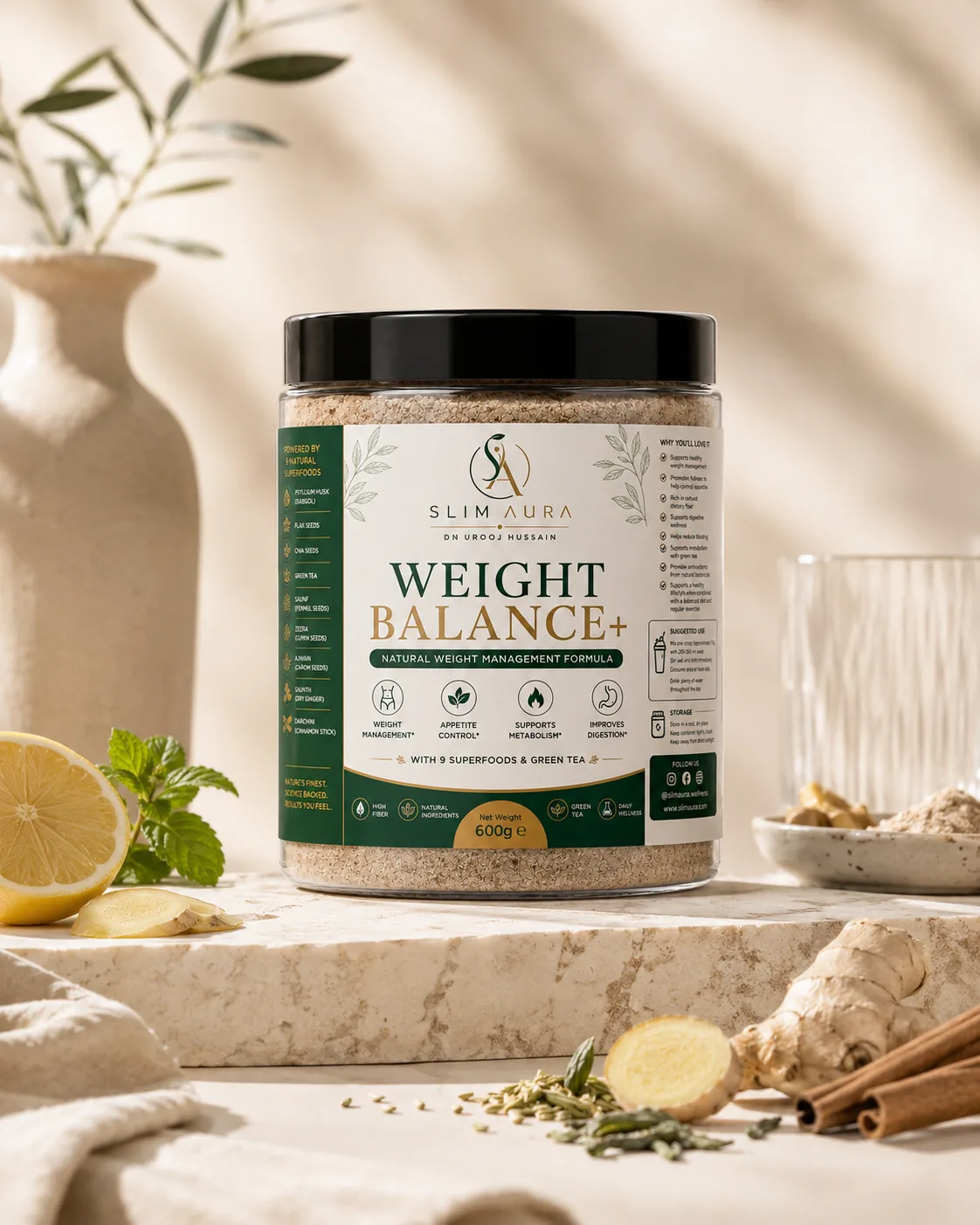
Weight Balance+ includes ajwain alongside eight other whole-food ingredients — including fennel, ginger and cinnamon — as part of a daily fibre blend formulated to support digestive comfort.
This article is provided for general informational purposes and does not constitute medical advice, diagnosis or treatment. Speak to your physician or a qualified practitioner about your own circumstances before making changes, particularly if you are pregnant, nursing, taking medication or managing a medical condition.

Written by
DN Urooj Hussain
Clinical Dietitian & Founder · Doctor of Nutrition (DN)
A clinical dietitian who built the product she kept wishing she could hand her patients.
From the YouTube channel
Serum ferritin |Dietitian UroojHussain|
Benefits of dates(کھجور) |Dieititan UroojHussain|
Sudden weight changes in newborn babies |Dietitian Uroojhussain|
More writing like this, twice a month
Related articles
4 August 2026 · 4 min read
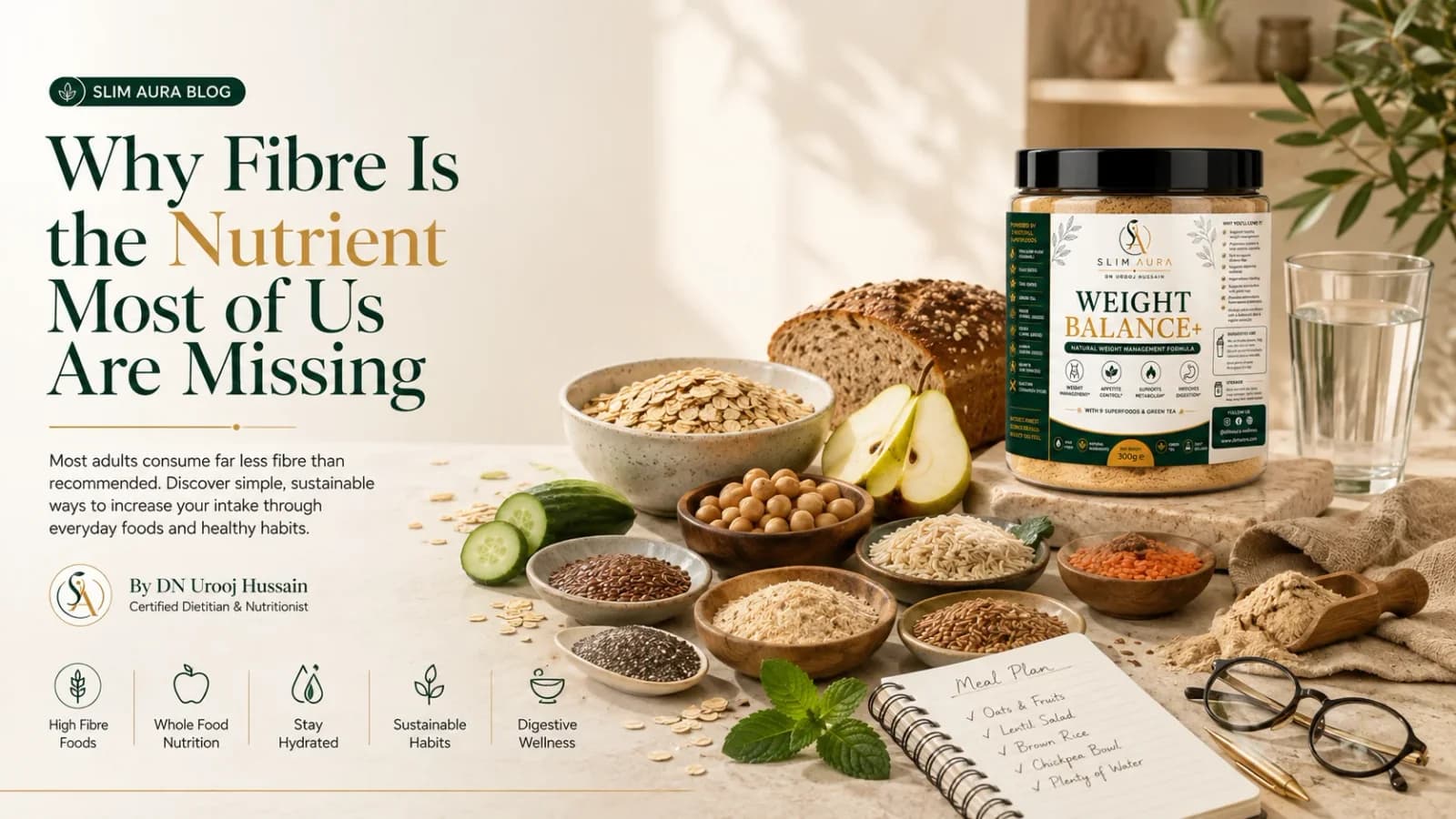
Why fibre is the nutrient most of us are missing
Most adults get roughly half the fibre they need. Here is what that actually changes day to day — and how to close the gap without overhauling your kitchen.
Read article
23 August 2026 · 8 min read
Bloating and digestive comfort: what helps
Bloating is one of the most common things patients ask about, and one of the least understood. What usually causes it, what helps, and when to see a doctor.
Read article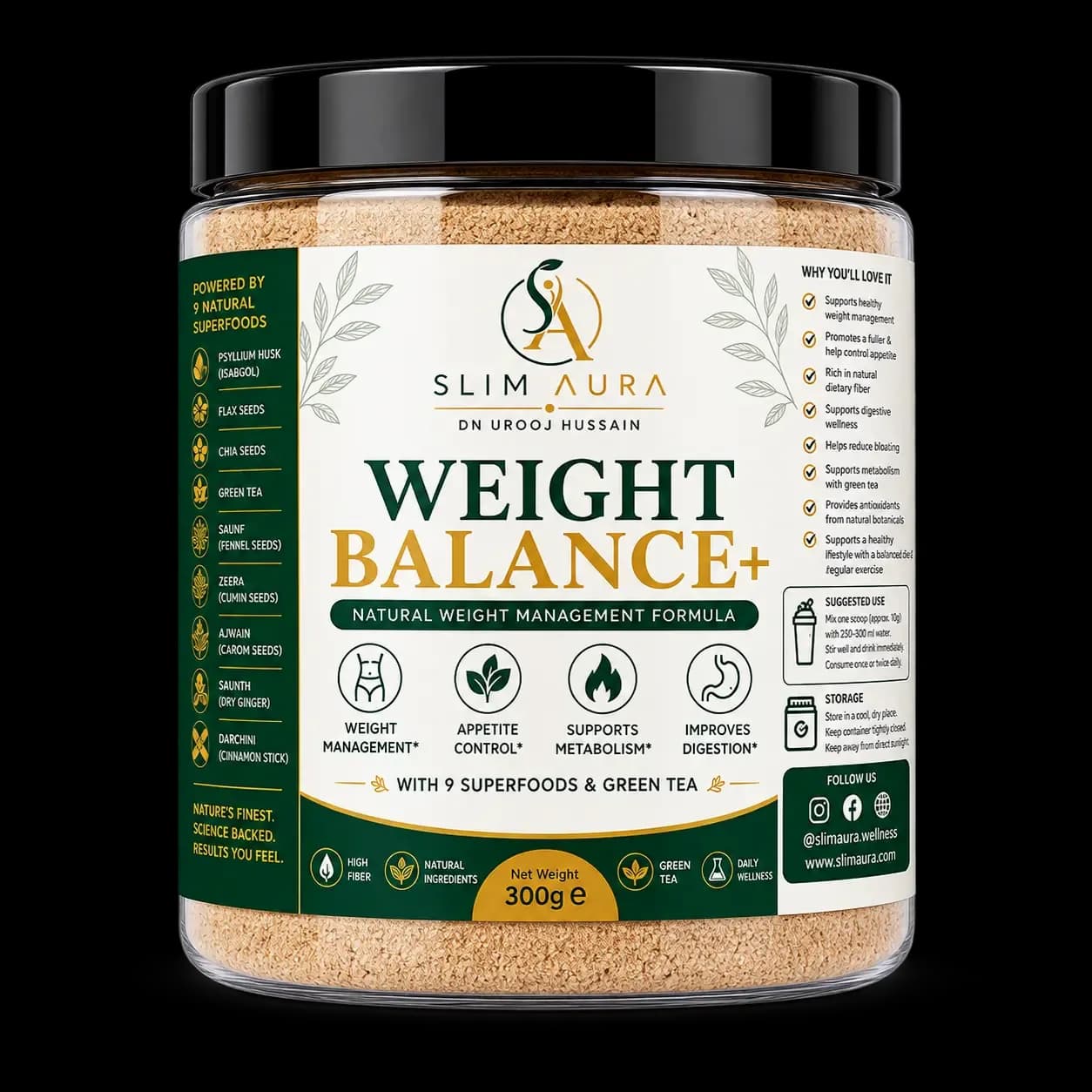
25 September 2026 · 4 min read
Saunf after meals: the science behind the habit
Fennel seeds (saunf) after meals is a Pakistani household tradition. Here is the real evidence behind it, from a clinical dietitian.
Read article