Nutrition4 August 2026 · 4 min read
Why fibre is the nutrient most of us are missing
Most adults get roughly half the fibre they need. Here is what that actually changes day to day — and how to close the gap without overhauling your kitchen.
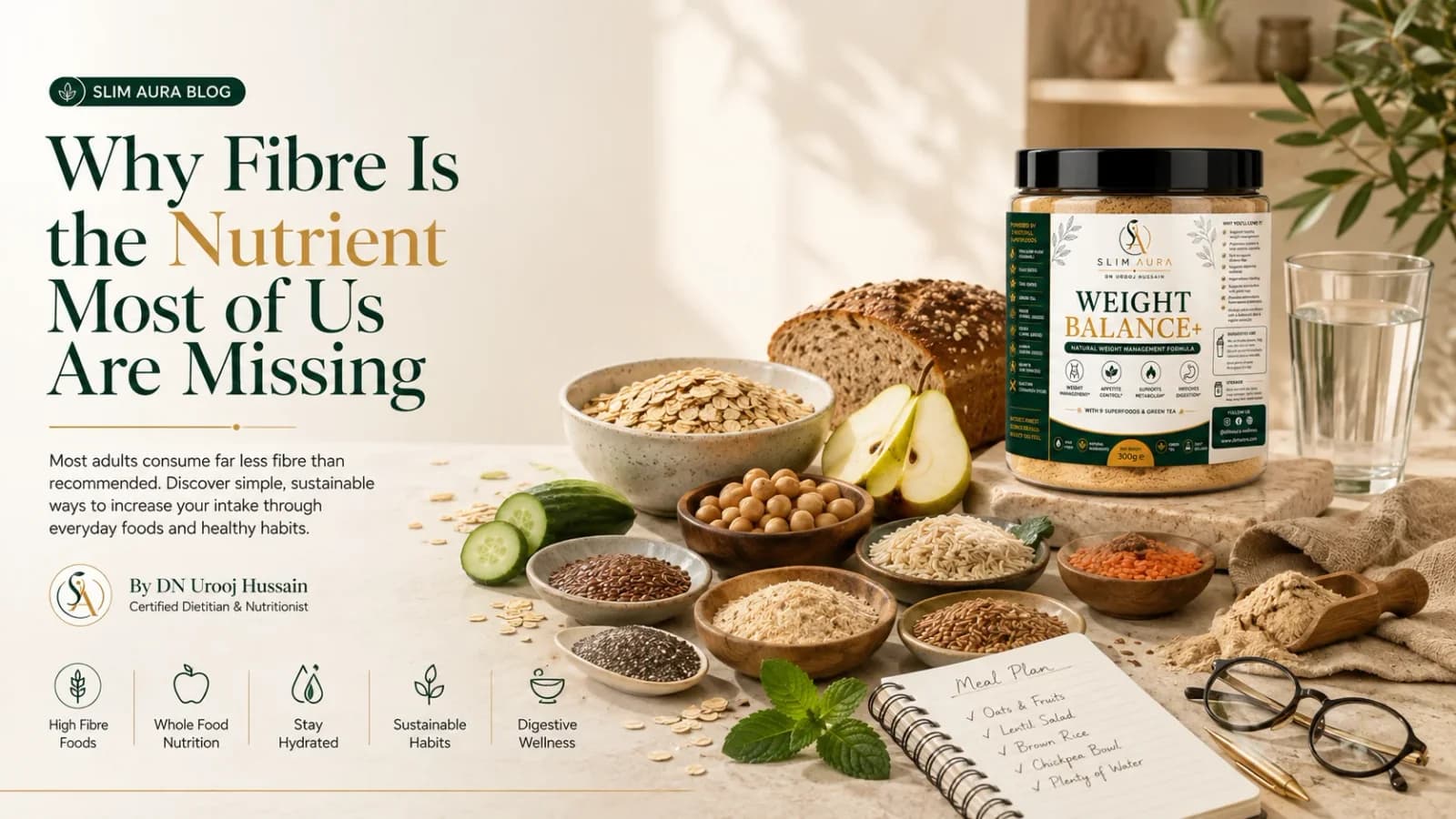
If I could change one thing about how most households eat, it would not be sugar, or oil, or portion sizes. It would be fibre. It is the least glamorous nutrient in the conversation and by some distance the most under-consumed.
What fibre actually does
Fibre is the part of plant food your body does not break down. That sounds like a shortcoming until you consider what it means in practice: it passes through largely intact, drawing in water, adding bulk, and slowing the pace at which everything else moves.
There are two kinds and both matter. Soluble fibre dissolves into a gel — this is what psyllium husk and chia do so visibly in a glass of water. Insoluble fibre does not dissolve; it adds bulk and supports regularity.
The everyday difference
- Meals feel more satisfying, and satisfaction lasts longer past the meal itself.
- Digestive comfort and regularity improve for most people within one to two weeks.
- Eating slows down naturally, because fibre-rich food takes more chewing.
Closing the gap without a kitchen overhaul
- Leave the skin on. Potatoes, apples, cucumbers — the peel is where a good share of the fibre sits.
- Swap one refined grain a day. White rice to brown, or white roti to whole wheat. One meal, not all three.
- Add a pulse to something you already cook. A handful of chana or masoor into an existing salan changes very little about the dish and a lot about the fibre.
- Keep whole fruit over juice. Juicing removes almost all of it.
“The best dietary change is the one still in place six months from now. That is almost never the dramatic one.”
If food alone is not getting you there — and for a lot of busy households it genuinely is not — a fibre supplement can help close the gap. It is a supplement to the diet, though, not a replacement for the changes above.
This article is provided for general informational purposes and does not constitute medical advice, diagnosis or treatment. Speak to your physician or a qualified practitioner about your own circumstances before making changes, particularly if you are pregnant, nursing, taking medication or managing a medical condition.

Written by
DN Urooj Hussain
Clinical Dietitian & Founder · Doctor of Nutrition (DN)
A clinical dietitian who built the product she kept wishing she could hand her patients.
From the YouTube channel
Don’t give cow/buffalo milk to your baby below One year |Dietitianuroojhussain|
Diet Plan For Menopause | Common Symptoms of Menopause? | what is the age for Menopause?
important tests before marriage | Shadi Se Pehlay Konse Test Karwane Chahye?
More writing like this, twice a month
Related articles
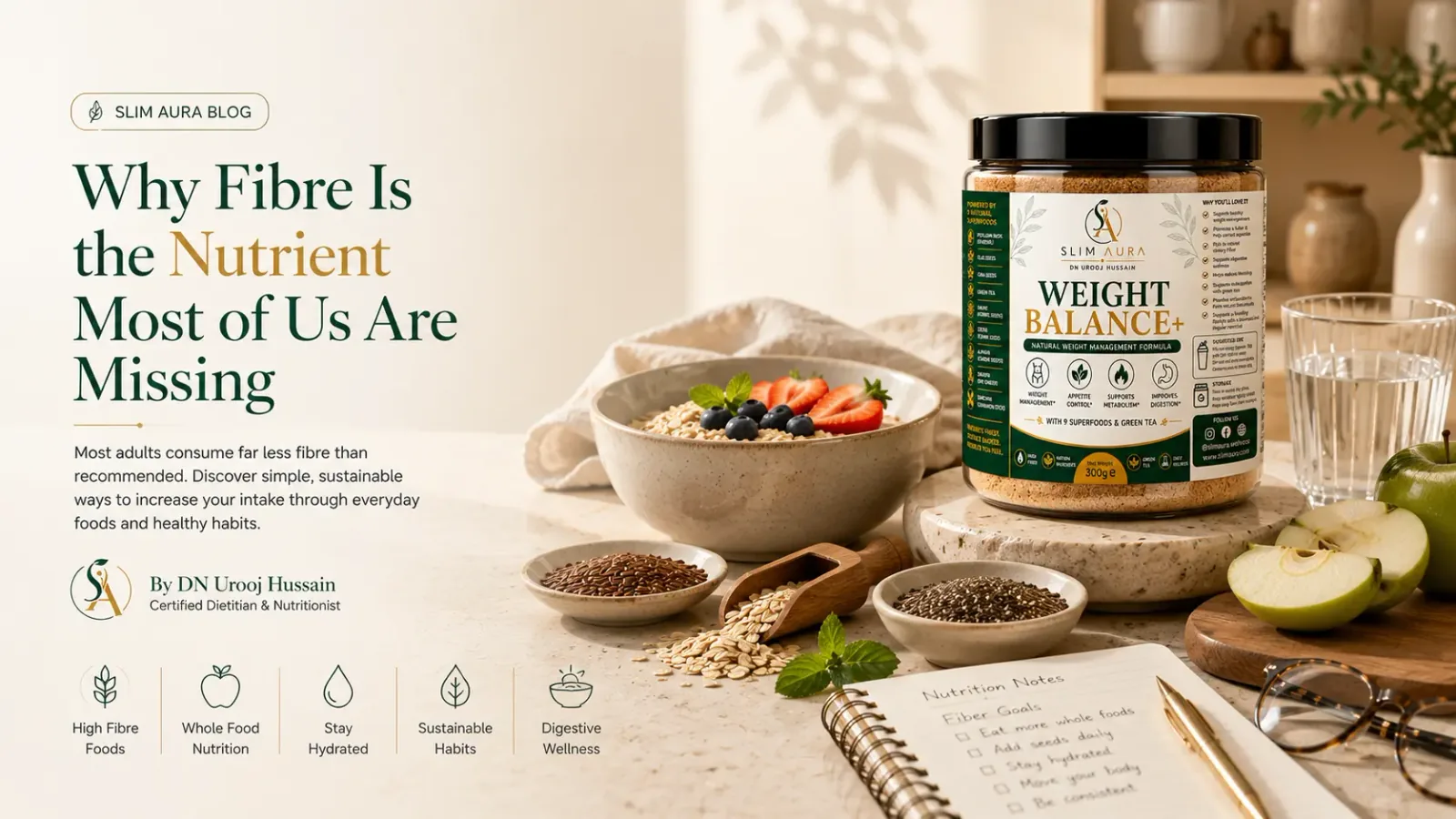
23 August 2026 · 8 min read
Bloating and digestive comfort: what helps
Bloating is one of the most common things patients ask about, and one of the least understood. What usually causes it, what helps, and when to see a doctor.
Read article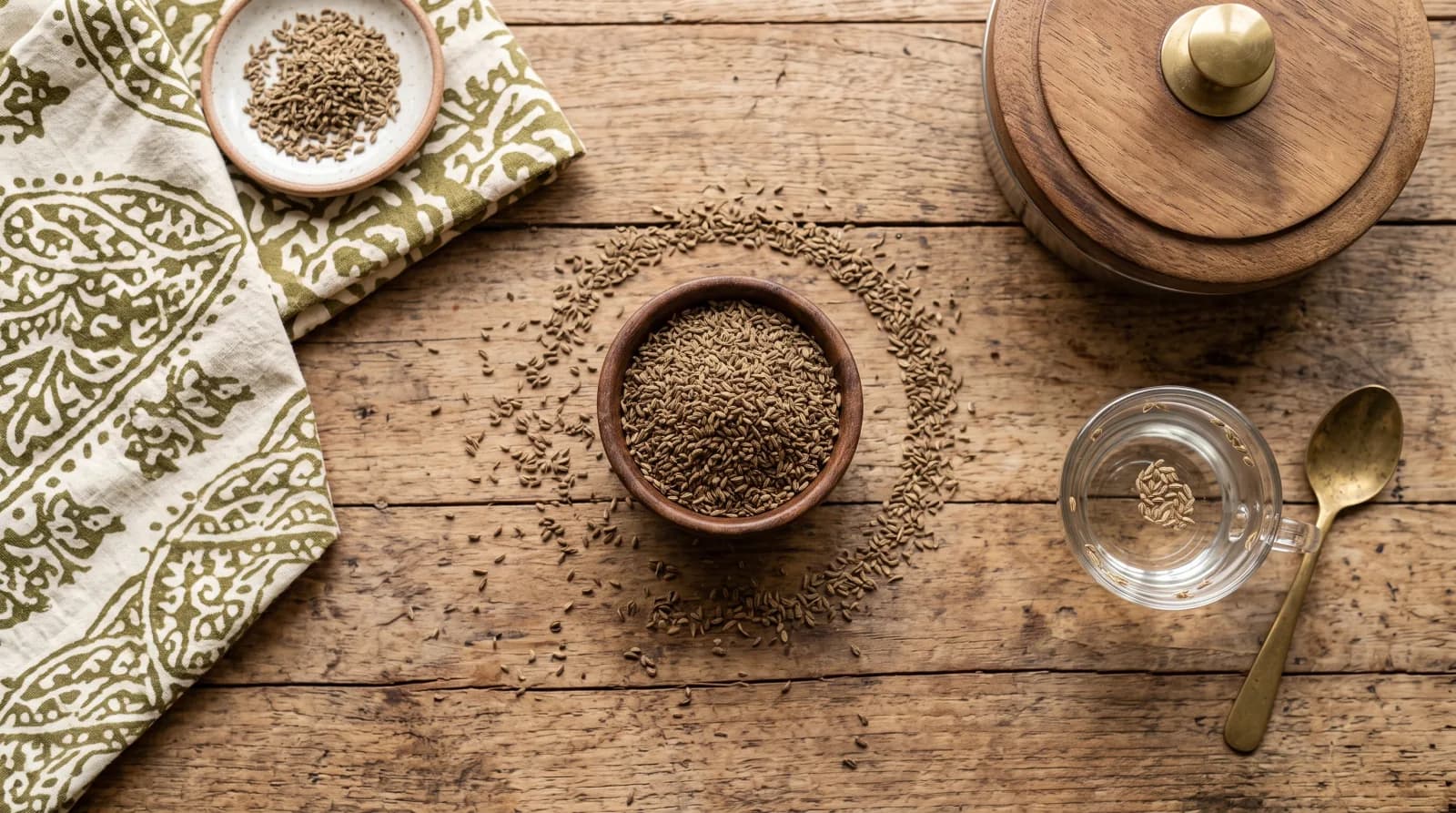 Nutrition
21 September 2026 · 4 min read
Ajwain for bloating: does it work?
Ajwain (carom seeds) has been used in Pakistani kitchens for digestion for generations. Here is what it may actually help with, from a dietitian.
Read article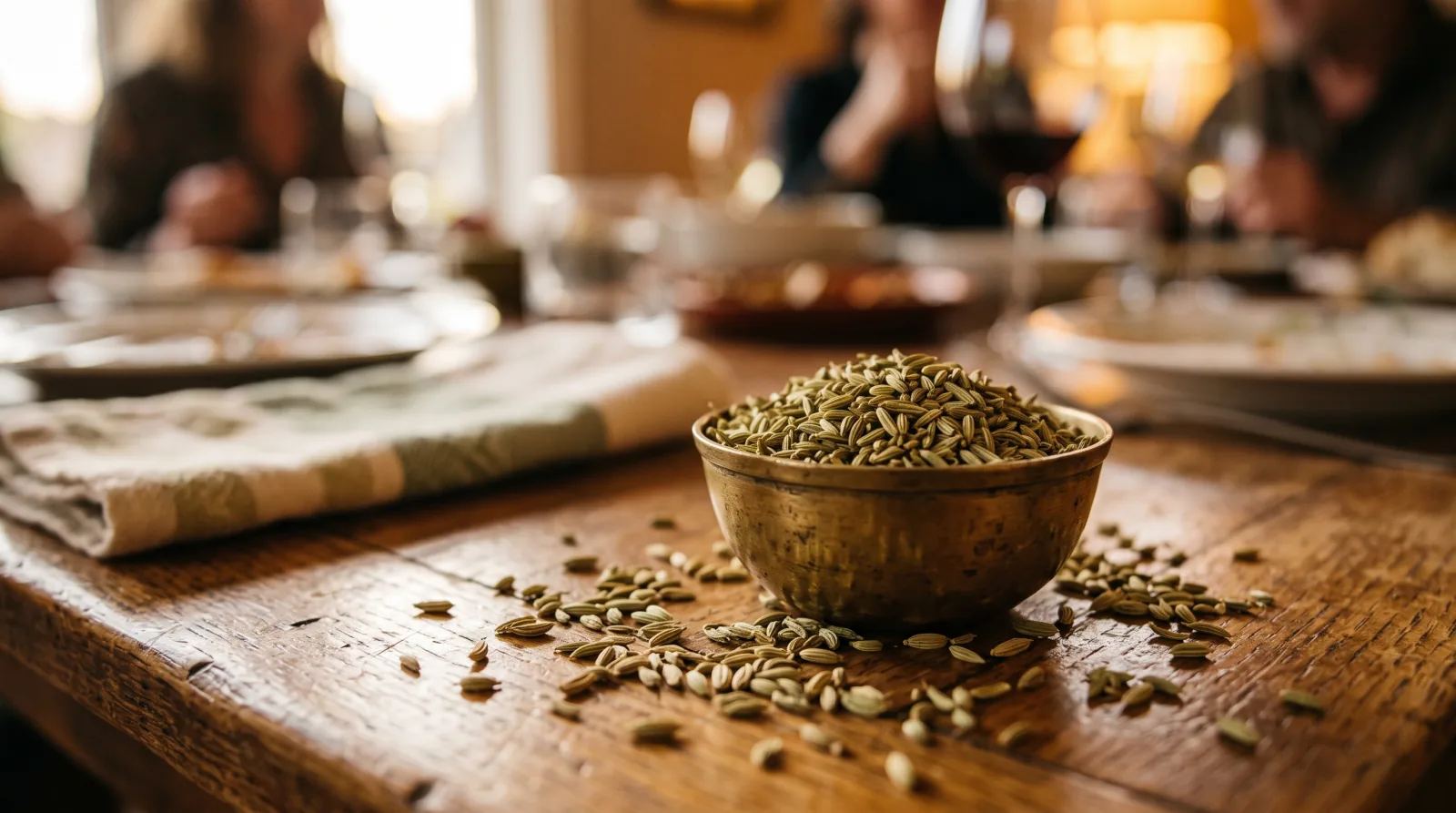 Nutrition
25 September 2026 · 4 min read
Saunf after meals: the science behind the habit
Fennel seeds (saunf) after meals is a Pakistani household tradition. Here is the real evidence behind it, from a clinical dietitian.
Read article