Healthy Lifestyle8 September 2026 · 4 min read
Dietitian vs nutritionist: what's the difference
The two titles get used interchangeably in Pakistan, but they are not the same. Here is the real difference, and how to know which one you need in Islamabad.
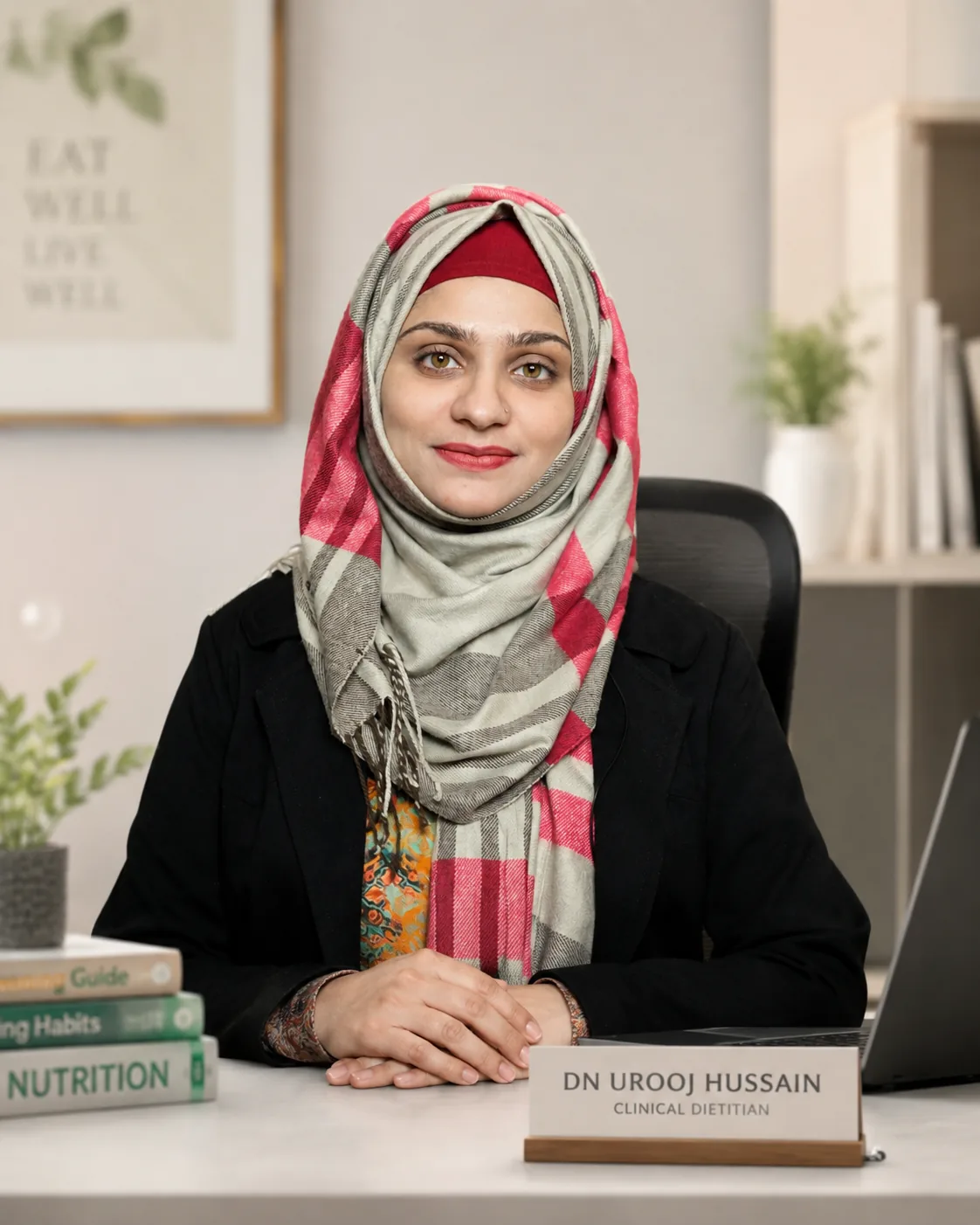
Patients ask me this more than almost anything else: is a dietitian the same as a nutritionist? In everyday conversation, yes, the words get used interchangeably. In practice, they describe different levels of training, and knowing the difference matters more when you are managing a medical condition than when you just want general eating advice.
What separates the two, in practical terms
A clinical dietitian typically holds a specific degree in nutrition and dietetics, followed by supervised clinical training, and is qualified to work with medical conditions — diabetes, PCOS, kidney disease, post-surgical recovery — alongside a treating physician. "Nutritionist" is a broader, less regulated title in many contexts; some hold strong nutrition science qualifications, others do not, and the title alone does not tell you which.
- Managing a diagnosed condition alongside your doctor: look for a registered clinical dietitian.
- General healthy eating guidance with no medical complexity: either can help, if genuinely qualified.
- Sports or performance nutrition: look for someone with specific certification in that area.
- Unsure which you need: ask directly what qualification the person holds before booking.
Why this distinction matters more in Pakistan specifically
The titles are not consistently regulated here the way they are in some other countries, which means anyone can describe themselves as a nutritionist regardless of formal training. That does not mean every self-described nutritionist is unqualified — many are genuinely well trained — but it means the title alone is not proof of anything. Asking about the actual qualification is not rude; it is the same due diligence you would apply to any other healthcare decision.
In my own practice
I trained as a Doctor of Nutrition with clinical dietetics, and I am a registered clinical dietitian and certified diabetes educator practising in Islamabad. That training is specifically why I work with patients managing PCOS, metabolic health and other diagnosed conditions alongside their physicians, not instead of them — a dietitian's role sits beside medical care, never in place of it.
“The title on someone's page matters less than the training behind it. Ask the question — a good practitioner will want you to.”
Whichever title the person you choose uses, the standard to hold them to is the same: a real qualification, a history taken before a plan is written, and honesty about what nutrition guidance can and cannot do for your specific situation.
This article is provided for general informational purposes and does not constitute medical advice, diagnosis or treatment. Speak to your physician or a qualified practitioner about your own circumstances before making changes, particularly if you are pregnant, nursing, taking medication or managing a medical condition.
Written by
DN Urooj Hussain
Clinical Dietitian & Founder · Doctor of Nutrition (DN)
A clinical dietitian who built the product she kept wishing she could hand her patients.
More writing like this, twice a month
Related articles

30 June 2026 · 5 min read
Eating well without abandoning your kitchen
Most nutrition advice quietly assumes a Western pantry. Here is how to build a genuinely balanced plate from what a Pakistani household already cooks.
Read articleHealthy Lifestyle10 September 2026 · 4 min read
How to choose a dietitian in Islamabad
Credentials, questions to ask, and what a first consultation should actually look like — a practical guide to choosing a dietitian in Islamabad you can trust.
Read articleHealthy Lifestyle28 August 2026 · 4 min read
What to expect from your first dietitian visit
Nervous about your first appointment with a dietitian or nutritionist in Islamabad? Here is exactly what a good first consultation covers, step by step.
Read article