Nutrition5 November 2026 · 4 min read
Fatty liver: symptoms, causes and the diet that actually helps
What fatty liver is, the early warning signs most people miss, and the dietary approach — including a therapeutic ketogenic pattern — a clinical dietitian actually uses to reverse it.
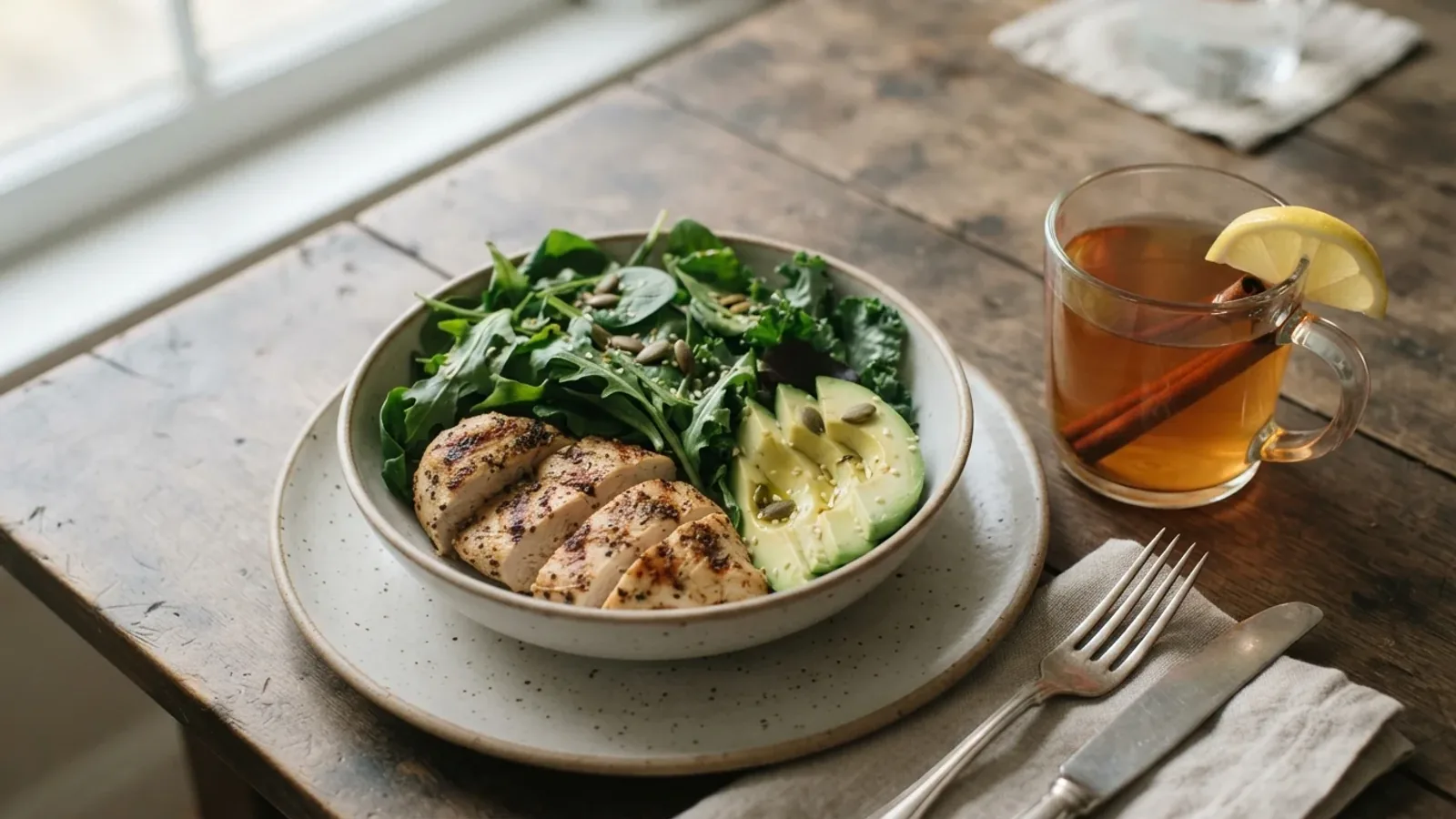
Fatty liver comes up constantly in consultation, usually not as the thing someone came in for. It is quietly common, genuinely reversible at the stage most people catch it, and worth understanding properly rather than waiting for it to explain itself through other symptoms.
What fatty liver actually is
Fatty liver is a liver condition in which excess fat builds up in and around the liver — fat your body has no real use for and no active role for. It is not a normal reserve your body is holding onto; it is an unhealthy accumulation that gets in the way of how the liver actually functions.
What causes it
A few patterns show up repeatedly in the people who develop it:
- Low physical activity, with little to balance out daily intake.
- A diet heavy in fatty foods, or carbohydrate intake that runs consistently high.
- Ongoing metabolic stress on the body.
- An existing metabolic condition — hypertension or diabetes in particular raise the risk meaningfully.
Symptoms that are easy to miss
Fatty liver rarely announces itself clearly, which is exactly why it is worth knowing what to actually look for:
- Itching, tingling or a burning sensation in the soles of the feet or palms, often worse at night, sometimes with visible redness.
- Digestion that struggles specifically with fatty foods — discomfort or difficulty that was not there before.
- Joint complaints alongside jaundice — a yellowing of the eyes or skin.
- Unusual dryness of the scalp and skin, with patchiness, and spots appearing on the skin that can be dark, light or red.
Itching in particular is more common than most people realize — it affects a meaningful share of people living with fatty liver, and it is frequently dismissed as a skin issue rather than traced back to the liver.
Why it is worth treating early
Fatty liver, caught at this stage, is not a life sentence — it responds well to dietary and lifestyle change. What it should not be is ignored. Left unmanaged, it can progress to liver cirrhosis, where the damage is no longer reversible — often 80 to 90 percent of liver function lost by that point. Since the liver's job includes purifying and detoxifying the blood, that level of damage does not stay contained to the liver: kidney and lung function decline alongside it, metabolic conditions like diabetes and hypertension worsen, and hemoglobin levels drop.
“Fatty liver is one of the few diagnoses where the timing of the diet matters as much as the diet itself. Caught early, it is genuinely reversible. Left alone, that window closes.”
If any of the above sounds familiar, that is reason enough to raise it with a physician or dietitian rather than wait for it to become unmistakable.
The dietary approach that actually works
Different diets are built for different problems, and fatty liver is a good example of why that distinction matters. A ketogenic pattern is not what we reach for simple weight loss — but for a liver specifically carrying excess fat, it is genuinely effective, because keeping carbohydrates low while protein and fat stay moderate directly reduces the sugar, carbohydrate and starch load that drives that fat deposit in the first place.
This is consistent with the clinical evidence on the condition: carbohydrate-restricted eating patterns have been shown to meaningfully reduce liver fat in people with non-alcoholic fatty liver disease. Most patients follow a plan like this for one to three months, under guidance, rather than indefinitely.
Two remedies worth adding alongside the diet
Cinnamon
Cinnamon — daarchini — is one of the simpler additions that supports liver health alongside the diet itself. Sprinkle the powder over cereal at breakfast, stir it into an omelette, add it to a curry, or work it into roti dough. It also makes a simple, effective qehwa: boil one and a half cups of water with a cinnamon stick or a spoon of cinnamon powder down to one cup, strain it, then stir in a teaspoon to a teaspoon and a half of honey and a squeeze of lemon to taste.
Overnight detox water
At night, add a medium piece of ginger, a few lemon slices and some cucumber rounds to a one to one-and-a-half litre bottle of water and let it sit overnight. Strain it the next morning and drink it through the day, alongside whichever diet plan you are following — it supports blood detoxification and overall liver health rather than replacing the diet itself.
Followed consistently, most people see their fatty liver meaningfully improve within two to three months. If you would like a diet plan built around your own bloodwork and liver function, book a consultation.
This article is provided for general informational purposes and does not constitute medical advice, diagnosis or treatment. Speak to your physician or a qualified practitioner about your own circumstances before making changes, particularly if you are pregnant, nursing, taking medication or managing a medical condition.

Written by
DN Urooj Hussain
Clinical Dietitian & Founder · Doctor of Nutrition (DN)
A clinical dietitian who built the product she kept wishing she could hand her patients.
More writing like this, twice a month
Related articles
4 August 2026 · 4 min read
Why fibre is the nutrient most of us are missing
Most adults get roughly half the fibre they need. Here is what that actually changes day to day — and how to close the gap without overhauling your kitchen.
Read article
23 August 2026 · 8 min read
Bloating and digestive comfort: what helps
Bloating is one of the most common things patients ask about, and one of the least understood. What usually causes it, what helps, and when to see a doctor.
Read article Nutrition
21 September 2026 · 4 min read
Ajwain for bloating: does it work?
Ajwain (carom seeds) has been used in Pakistani kitchens for digestion for generations. Here is what it may actually help with, from a dietitian.
Read article