Weight Management3 December 2026 · 4 min read
Insulin resistance: the diet changes that actually matter
Insulin resistance is often the real reason weight won't move, long before blood sugar shows up on a standard test. What the evidence actually supports — and what doesn't move the needle.
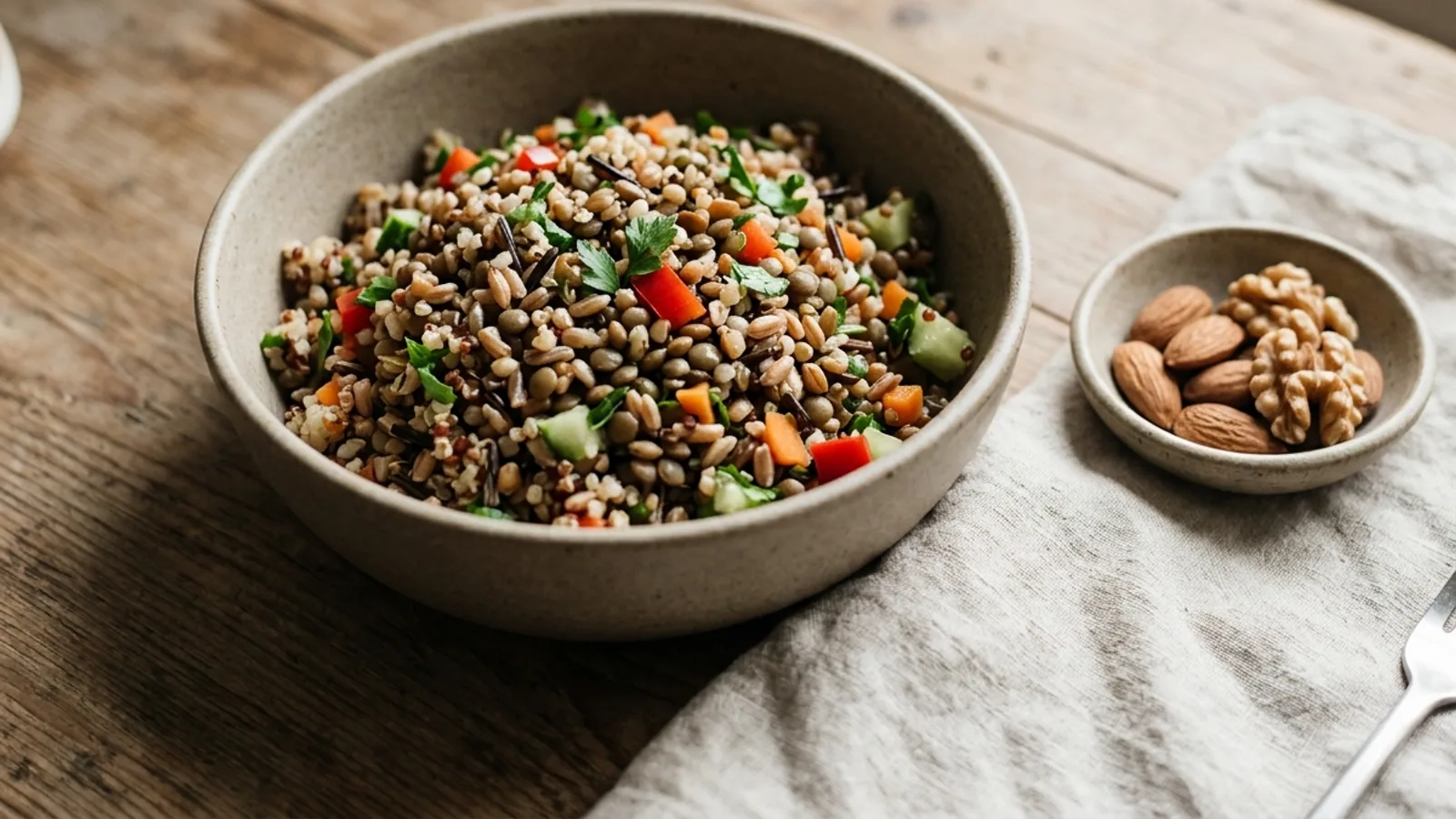
Insulin resistance is one of the most common things sitting underneath a stalled weight loss plan — and one of the easiest to miss, because it rarely shows up clearly on a standard fasting blood sugar test until it has been developing for a while.
What insulin resistance actually is
In simple terms, your cells stop responding normally to insulin's signal to take in glucose, so your pancreas compensates by producing more insulin to get the same effect. Chronically high insulin promotes fat storage, particularly around the midsection, and is closely linked to both prediabetes and PCOS — which is part of why the two show up together so often in clinic.
It's carbohydrate quality, not just quantity
A higher ratio of fibre to carbohydrate in what you eat is consistently linked to better insulin sensitivity and lower triglycerides — meaning the type and quality of carbohydrate matters more than simply eating less of it. Refined carbohydrates with little fibre attached behave very differently in the body than the same amount of carbohydrate eaten as a whole grain or legume.
Fibre is doing more work than people realize here
A consistent finding across the research: increasing fibre intake measurably improves fasting glucose, insulin levels and HOMA-IR, a standard marker of insulin resistance. A reasonable target is around 35 grams of fibre a day, or simply 15 grams more than wherever you currently are — most people in a typical diet here fall well short of that.
Protein and movement matter too
Adequate protein at each meal improves satiety and supports better insulin sensitivity alongside fibre. Movement helps in a very specific way here: a short walk after a meal measurably blunts the glucose spike that follows eating, which is exactly why the fifteen-minute walk after dinner is worth more than its modest reputation suggests.
- Swap a plain white rice portion for a measured portion eaten alongside protein and vegetables, not alone.
- Reduce added sugar in tea gradually rather than all at once — it is more sustainable and just as effective over a few weeks.
- Replace refined-carbohydrate snacking (biscuits, chips) with nuts or fruit paired with a source of protein.
- Walk for ten to fifteen minutes after your largest meal of the day.
“By the time fasting sugar looks abnormal, insulin resistance has usually been building quietly for years. The diet changes that help are the same ones that help prevent it getting there in the first place.”
Weight Balance+ is formulated around exactly this kind of fibre gap, alongside eight other whole-food ingredients. If you would like a plan built around your own labs, book a consultation.
This article is provided for general informational purposes and does not constitute medical advice, diagnosis or treatment. Speak to your physician or a qualified practitioner about your own circumstances before making changes, particularly if you are pregnant, nursing, taking medication or managing a medical condition.

Written by
DN Urooj Hussain
Clinical Dietitian & Founder · Doctor of Nutrition (DN)
A clinical dietitian who built the product she kept wishing she could hand her patients.
From the YouTube channel
Benefits of dates(کھجور) |Dieititan UroojHussain|
Sudden weight changes in newborn babies |Dietitian Uroojhussain|
Sudden weightloss in babies |Dietitianuroojhussain|
More writing like this, twice a month
Related articles
21 August 2026 · 3 min read
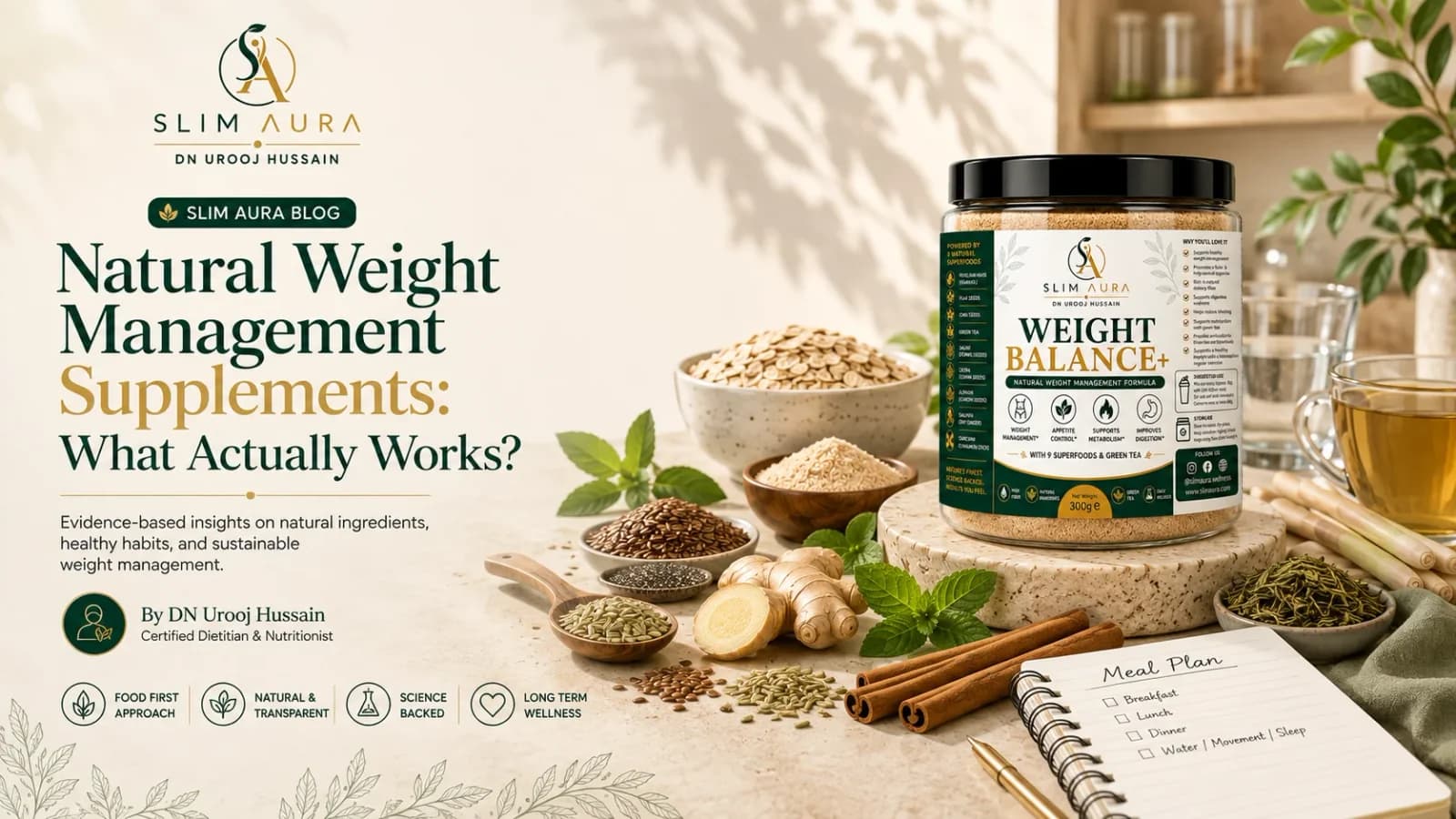
Natural approaches to weight management
"Natural" sells a lot of products and explains very little. Here is what genuinely moves the needle — food first, then movement and sleep, always.
Read article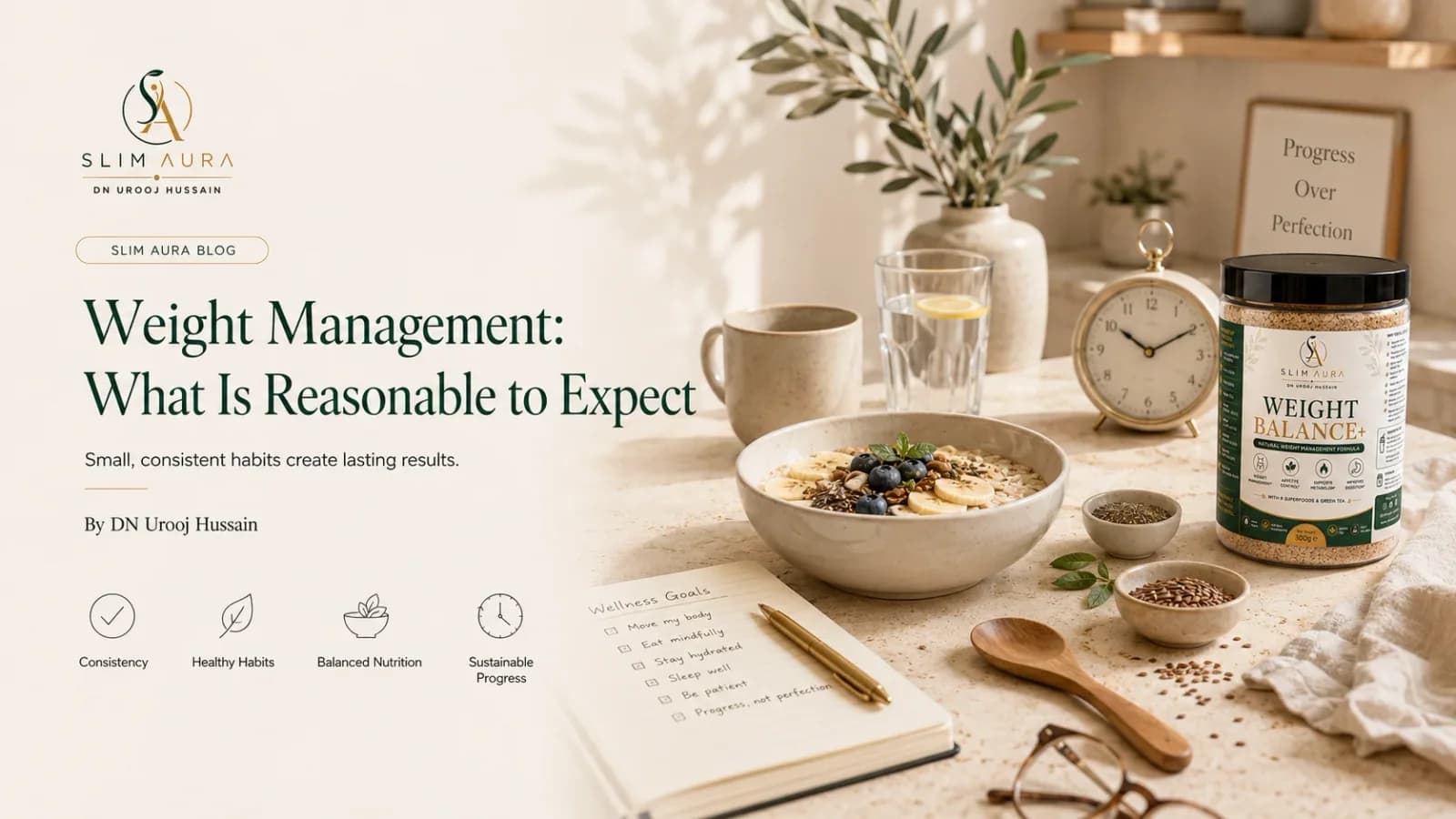
12 June 2026 · 4 min read
Weight management: what is reasonable to expect
An honest account of realistic pace, plateaus, and why the number on the scale is a poor daily metric to judge progress by.
Read article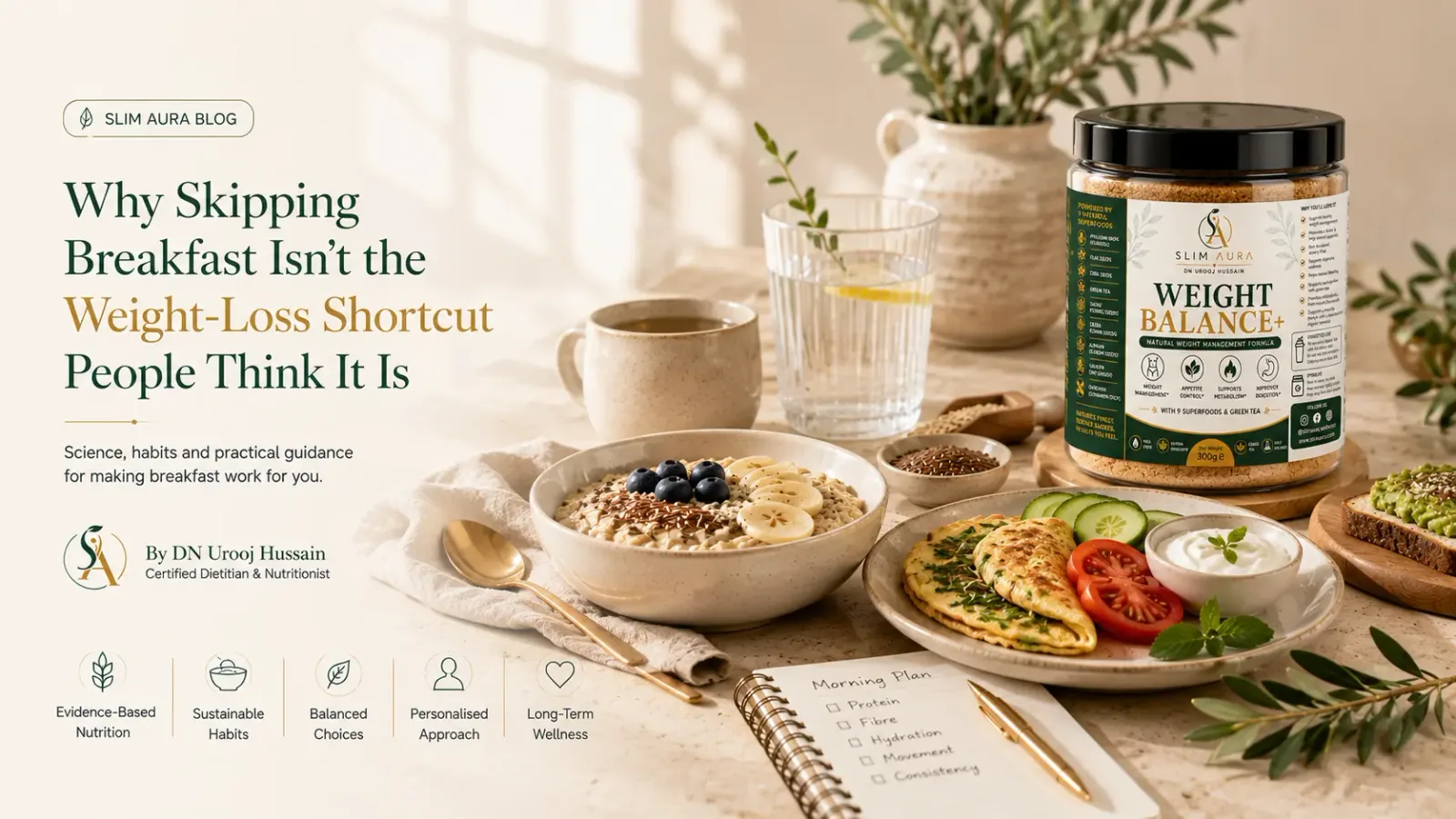
23 August 2026 · 9 min read
Why skipping breakfast isn't the shortcut
Skipping breakfast isn't automatically good or bad for weight management. What matters more is whether the eating pattern you choose actually fits your life.
Read article