Nutrition26 November 2026 · 4 min read
Iron deficiency anemia: a diet that actually helps
Pakistan has one of the highest anemia rates among women in the world. What actually improves iron levels through diet — and the absorption trick most people miss.
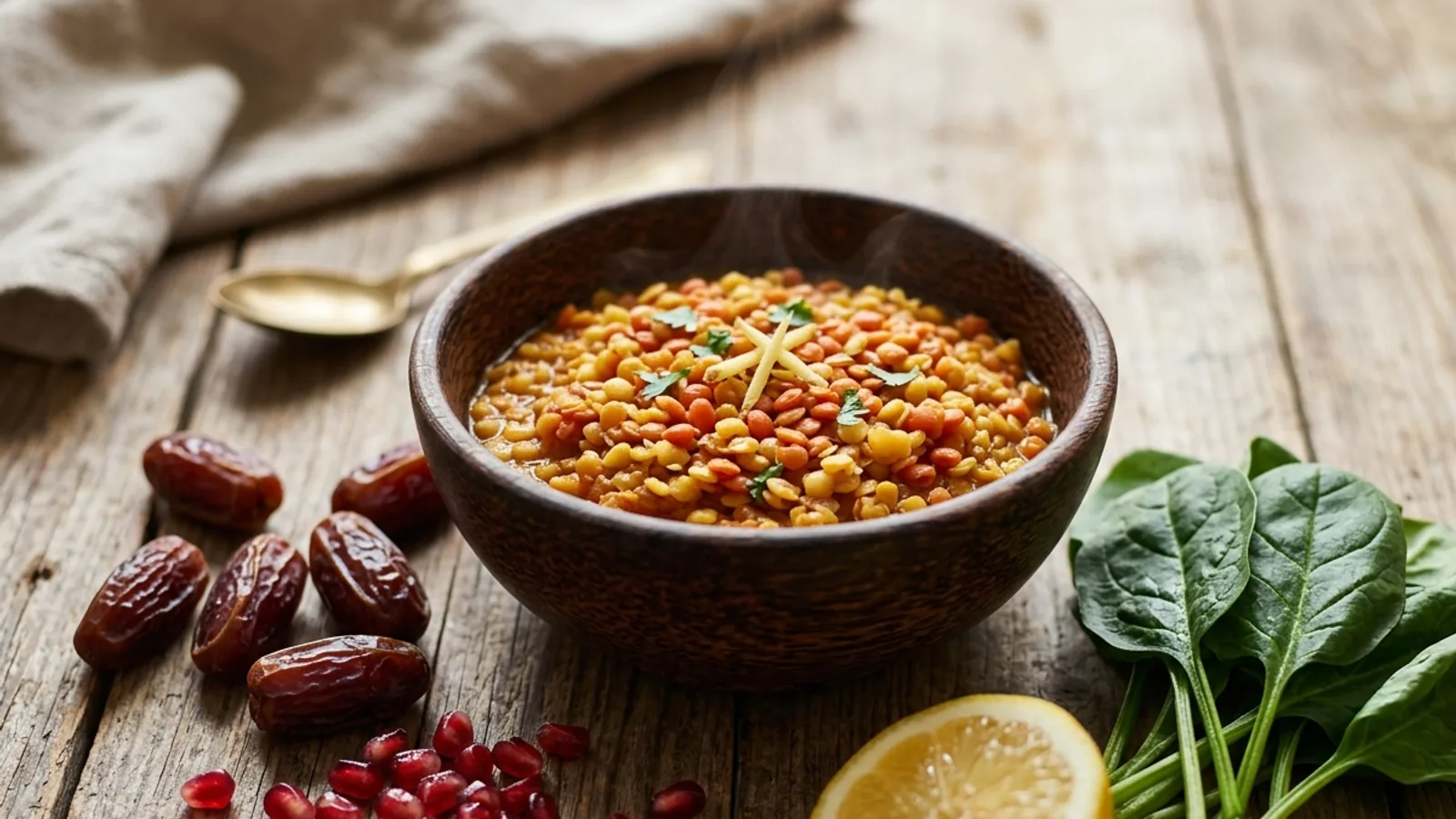
Iron deficiency anemia is one of the most common things I see in clinic, and one of the most under-addressed. Among women of reproductive age in Pakistan, close to 18 percent have iron deficiency anemia specifically — and the number climbs sharply higher during pregnancy. It is common enough that it deserves a real explanation, not just an iron tablet handed over without context.
Why this happens so often here
A handful of patterns repeat across most of the cases I see: a diet genuinely low in iron-rich foods, tea consumed right alongside or immediately after meals, monthly menstrual losses that are never replaced through diet, and — for many women — the added demand of pregnancy on top of levels that were already borderline beforehand.
Heme vs non-heme iron
Iron from animal sources — red meat, liver, eggs — is heme iron, and your body absorbs it relatively easily. Iron from plant sources like daal and spinach is non-heme iron, and it is absorbed far less efficiently on its own. Relying entirely on daal or spinach for your iron, without anything to help absorption, is a common reason levels stay low despite what looks like a reasonable diet on paper.
The pairing that matters more than the food itself
Vitamin C meaningfully increases how much non-heme iron your body actually absorbs — a squeeze of lemon over daal, or citrus fruit alongside an iron-rich meal, makes a real difference. Tea and coffee do the opposite: compounds in them bind iron and block a significant share of its absorption, so having chai immediately after an iron-rich meal works directly against you. Spacing tea at least an hour away from meals is a small habit with an outsized effect.
- Good iron sources: red meat, liver (occasionally), eggs, daal and lentils, spinach and other leafy greens, dates, and jaggery (gur).
- Pair iron-rich meals with vitamin C: lemon, citrus fruit, tomatoes, or bell peppers.
- Keep tea and coffee at least an hour away from iron-rich meals, not immediately before or after.
- Go easy on dairy alongside iron-rich meals — calcium competes with iron for absorption.
“Most of the anemia I see is not a dramatic case — it's a slow, quiet depletion that gets written off as tiredness for months before anyone tests for it.”
If you are pregnant or planning to be, iron needs shift further across each trimester — see Pregnancy Supplements & Diet by Trimester for the full breakdown. If you would like a diet plan built around your own bloodwork, book a consultation.
This article is provided for general informational purposes and does not constitute medical advice, diagnosis or treatment. Speak to your physician or a qualified practitioner about your own circumstances before making changes, particularly if you are pregnant, nursing, taking medication or managing a medical condition.
Written by
DN Urooj Hussain
Clinical Dietitian & Founder · Doctor of Nutrition (DN)
A clinical dietitian who built the product she kept wishing she could hand her patients.
From the YouTube channel
Pregnancy PROTECTION Essential Supplements for a Healthy Baby | Dn Urooj Hussain
When to Start Weaning Food? | Baby Ko Solid Food Kab Dena Chahiye? | Dn Urooj Hussain
How To Reverse Fatty Liver | Jigar Ki Charbi Ka Ilaj | Fatty Liver Treatment Symptoms Urdu Hindi
More writing like this, twice a month
Related articles
4 August 2026 · 4 min read
Why fibre is the nutrient most of us are missing
Most adults get roughly half the fibre they need. Here is what that actually changes day to day — and how to close the gap without overhauling your kitchen.
Read article
23 August 2026 · 8 min read
Bloating and digestive comfort: what helps
Bloating is one of the most common things patients ask about, and one of the least understood. What usually causes it, what helps, and when to see a doctor.
Read article Nutrition
21 September 2026 · 4 min read
Ajwain for bloating: does it work?
Ajwain (carom seeds) has been used in Pakistani kitchens for digestion for generations. Here is what it may actually help with, from a dietitian.
Read article