Nutrition9 October 2026 · 4 min read
Is psyllium husk (isabgol) safe for daily use?
Isabgol is one of the most researched fibres available. Here is the real safety profile, correct dosing, and who should be cautious.
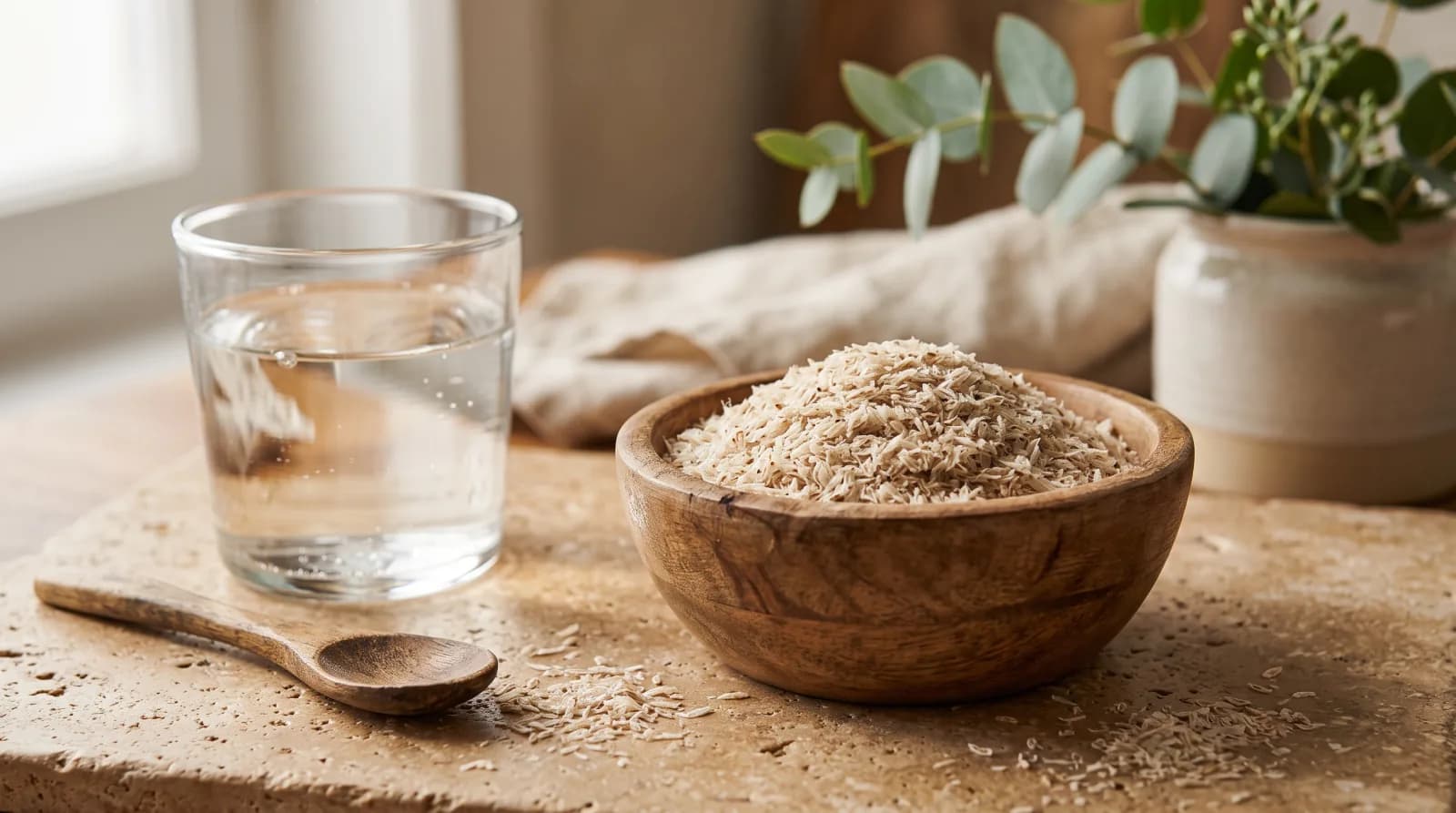
Isabgol is a staple in Pakistani households — usually kept in the kitchen cabinet for occasional constipation, rarely thought of as something to take daily. Given how often it appears as the main ingredient in fibre supplements, it is a fair question to ask directly: is it actually safe to take every day, and if so, how much?
What psyllium husk actually is
Psyllium husk — isabgol — comes from the seeds of the Plantago ovata plant. It is a soluble fibre that absorbs water and forms a gel-like consistency in the digestive tract, which is the basis for both its traditional use for constipation and its more recently studied role in cholesterol and blood sugar management.
The safety evidence, specifically
Psyllium is one of the more thoroughly reviewed fibres available, including by regulatory bodies rather than just individual studies. The US Food and Drug Administration conducted an evidence-based scientific and regulatory review of psyllium husk intake specifically in relation to type 2 diabetes risk, examining the body of clinical evidence before permitting a qualified health claim — a level of scrutiny most kitchen-cabinet remedies never receive.
Separately, a comprehensive review of psyllium's functional properties and health benefits found a generally favourable safety profile across the research, with adverse effects that are typically mild, temporary, and directly tied to dosage and hydration — not the ingredient itself being inherently risky at appropriate amounts.
What the right daily amount actually looks like
Clinical research on psyllium across its studied uses — constipation, cholesterol, blood sugar support — has generally used amounts in the range of 5 to 15 grams a day, typically split into two or three servings rather than taken all at once. This is squarely within what a well-formulated daily fibre supplement provides.
Above roughly 20 grams a day, the evidence base thins out considerably — there is no documented additional benefit at higher amounts, and the rate of digestive complaints tends to rise. More is not better here; the studied range is the effective range.
Why water intake isn't optional with psyllium specifically
This is the one safety point worth taking seriously rather than treating as a minor footnote. Psyllium works by absorbing water — which means it needs water to work correctly and safely. Taken without adequate fluid, it can form an overly thick gel that moves slowly through the digestive tract, which is uncomfortable at best and, in rare documented cases with inadequate hydration, has been associated with digestive obstruction.
Common, mild effects to expect — and what's not normal
In the first week or two of starting psyllium, mild gas, bloating, or a change in bowel pattern is common and typically settles as the gut adjusts — this mirrors what is seen with any fibre increase, not something unique to psyllium specifically. What is not normal: severe abdominal pain, an inability to pass stool, chest tightness, or difficulty swallowing after taking it — any of these warrant stopping and seeking medical attention rather than waiting it out.
Who should be more cautious
- Anyone on medication, since fibre can affect how some medications are absorbed — psyllium is generally recommended to be taken at least one to two hours apart from other medications, and this is worth discussing with a doctor or pharmacist directly rather than guessing.
- Anyone with a diagnosed swallowing difficulty or bowel obstruction history should not start any fibre supplement without medical guidance.
- Pregnant or breastfeeding women can generally use psyllium at typical doses, but should confirm with their doctor given individual circumstances.
“At the studied, appropriate dose — with adequate water — psyllium husk has one of the more reassuring safety profiles among daily supplements.”
The honest verdict
At the studied, appropriate dose — with adequate water — psyllium husk has one of the more reassuring safety profiles among daily supplements, backed by both individual studies and formal regulatory review. It is not risk-free for everyone in every circumstance, which is true of any active ingredient, but the common caution around "is this safe to take every day" is, for most healthy adults following correct dosing and hydration, not well supported by the evidence.
Weight Balance+ includes psyllium husk at a dose consistent with the clinical range described above, alongside eight other whole-food ingredients. For a broader look at what to check before choosing any fibre or weight-management product, see Natural Weight Loss Supplements in Pakistan: A Buyer's Guide.
This article is provided for general informational purposes and does not constitute medical advice, diagnosis or treatment. Speak to your physician or a qualified practitioner about your own circumstances before making changes, particularly if you are pregnant, nursing, taking medication or managing a medical condition.

Written by
DN Urooj Hussain
Clinical Dietitian & Founder · Doctor of Nutrition (DN)
A clinical dietitian who built the product she kept wishing she could hand her patients.
From the YouTube channel
Don’t give cow/buffalo milk to your baby below One year |Dietitianuroojhussain|
Diet Plan For Menopause | Common Symptoms of Menopause? | what is the age for Menopause?
important tests before marriage | Shadi Se Pehlay Konse Test Karwane Chahye?
More writing like this, twice a month
Related articles
4 August 2026 · 4 min read
Why fibre is the nutrient most of us are missing
Most adults get roughly half the fibre they need. Here is what that actually changes day to day — and how to close the gap without overhauling your kitchen.
Read article
23 August 2026 · 8 min read
Bloating and digestive comfort: what helps
Bloating is one of the most common things patients ask about, and one of the least understood. What usually causes it, what helps, and when to see a doctor.
Read article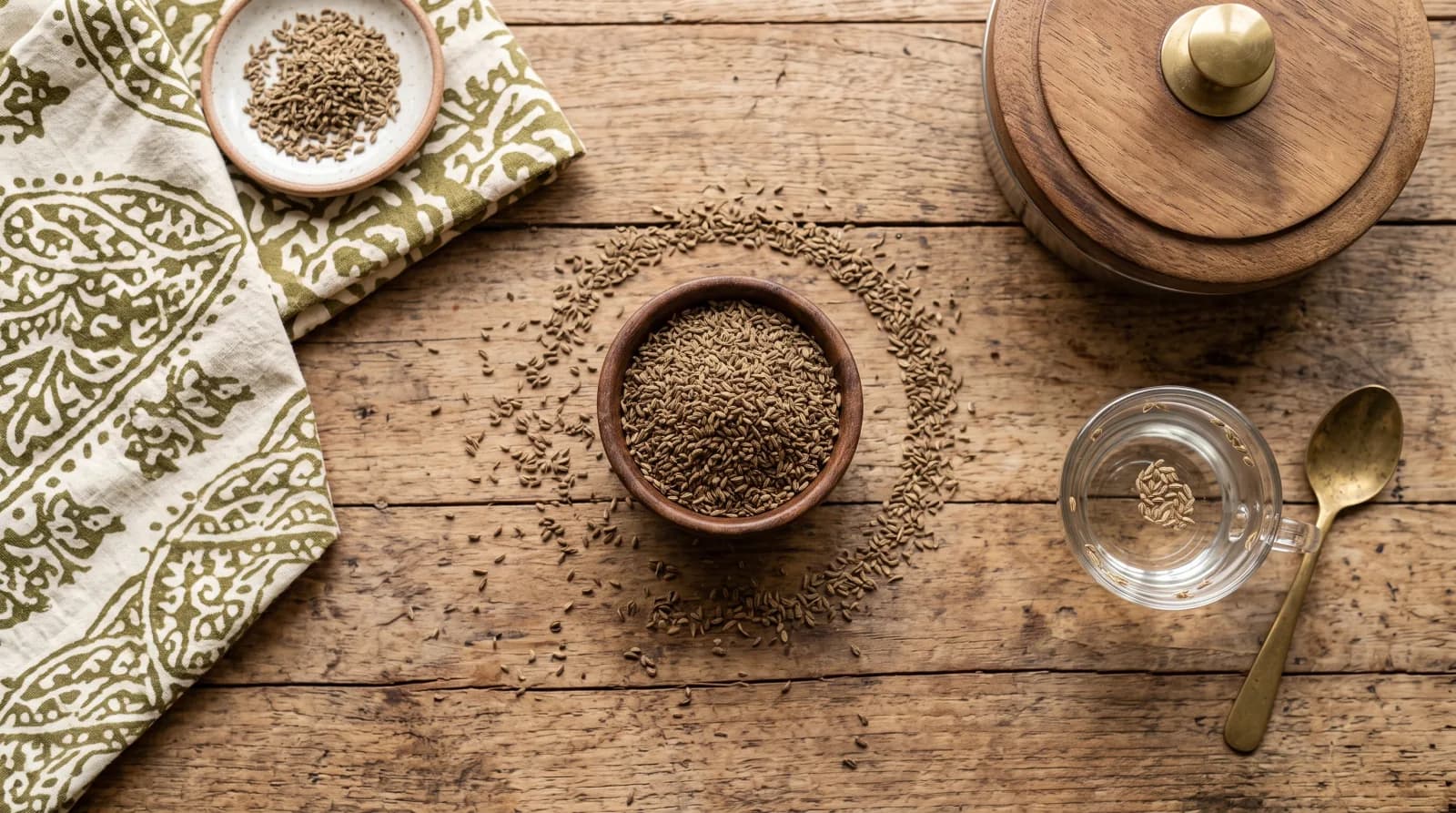 Nutrition
21 September 2026 · 4 min read
Ajwain for bloating: does this kitchen staple work?
Ajwain (carom seeds) has been used in Pakistani kitchens for digestion for generations. Here is what it may actually help with, from a dietitian.
Read article