Weight Management7 October 2026 · 4 min read
Ramadan weight management plan: suhoor & iftar guide
A realistic Ramadan weight management plan for Pakistan — what to eat at suhoor and iftar, and how to avoid the post-Eid weight rebound.
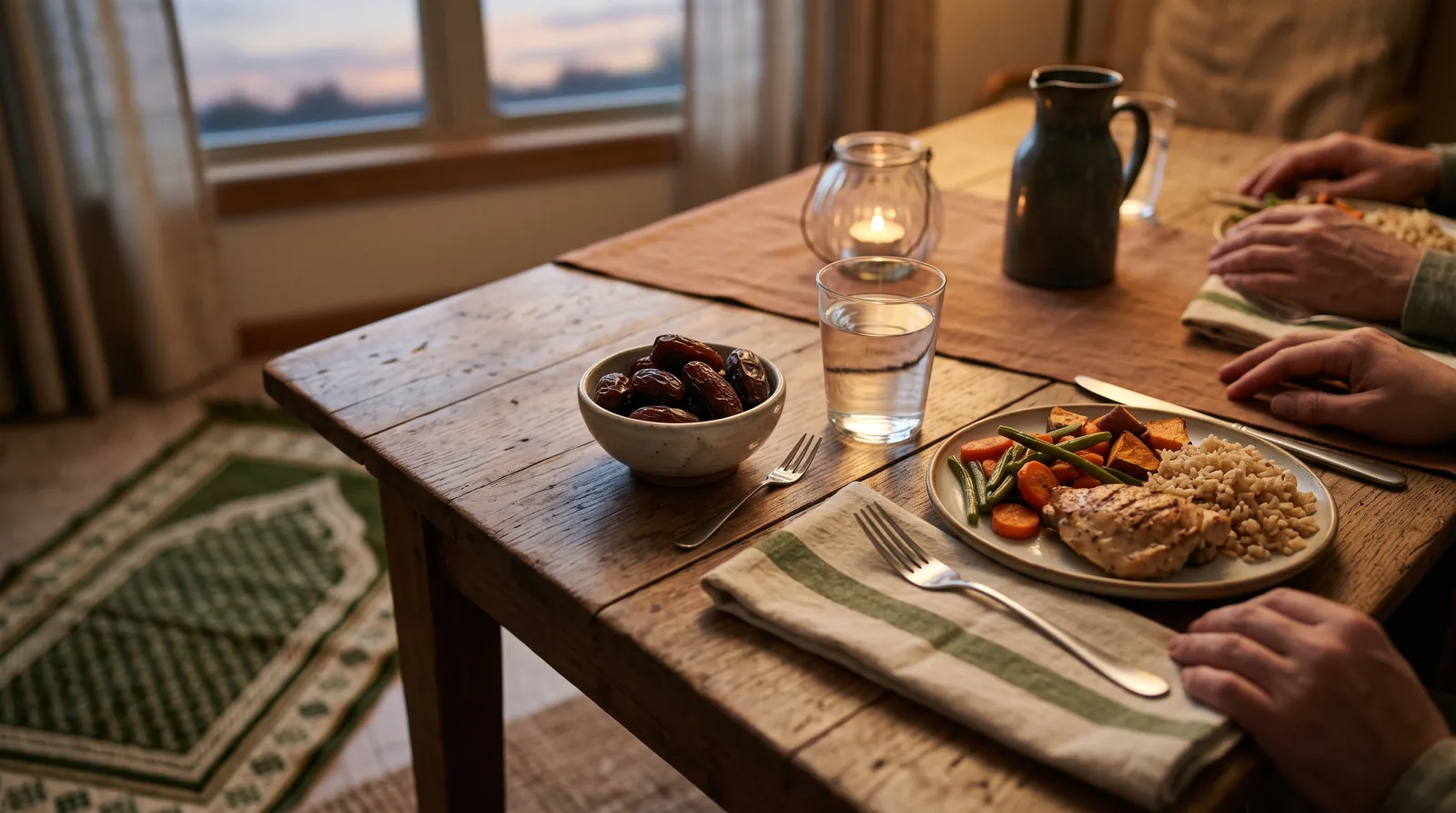
Ramadan changes the entire structure of eating — timing, meal size, and the temptation of an iftar table loaded with fried food after a full day's fast. Weight management during this month is not about willpower on top of fasting; it is about a few specific choices at suhoor and iftar that make a genuine difference. Here is the realistic version.
What the research actually shows about Ramadan and weight
A systematic review and meta-analysis of studies on Ramadan intermittent fasting found it can meaningfully reduce body weight and fat mass during the month. That is genuinely useful to know — but the more clinically important finding, consistent across the literature and in my own practice, is that a significant portion of that loss is commonly regained within weeks of Ramadan ending, once normal eating patterns and portion sizes return. The month itself is not the hard part; keeping any progress afterward is.
Suhoor: the meal that determines the rest of the day
A rushed, carbohydrate-heavy suhoor — a few bites of paratha and tea — leaves you hungrier earlier and more likely to overeat at iftar. A suhoor built around protein and fibre changes that pattern meaningfully.
- Protein: eggs, a small portion of paneer, or a bowl of daal — this is the single highest-leverage change for suhoor specifically, since it slows digestion and supports fullness through the fasting hours.
- Complex carbohydrates over refined ones: whole wheat roti or oats rather than white bread or sugary cereal.
- Water, deliberately, not just at the end: spreading fluid intake across the suhoor window rather than one large glass at the last minute supports hydration through the day better.
- Avoid very salty or fried foods at suhoor specifically — they increase thirst during the fast, which is its own kind of discomfort worth avoiding.
Iftar: breaking the fast without undoing the day
The instinct to break a fast with a large, fried, sugar-heavy spread is understandable after a full day without food — but it is also the single biggest driver of both digestive discomfort and weight gain during Ramadan.
Break the fast gently first
Dates and water, as is traditional, genuinely make sense here — dates provide a quick, easily digested source of energy, and starting with something light gives the digestive system a moment before a full meal.
Wait before the main meal
A short gap — even 10 to 15 minutes, enough time for maghrib prayer — allows the initial hunger signal to settle, which tends to reduce how much is eaten once the main meal starts.
Build the main iftar meal around protein and vegetables
Pakoras and samosas do not need to disappear entirely, but making them the exception rather than the default, with a protein-and-sabzi-based meal as the actual main course, changes the caloric and digestive picture considerably.
Keep dessert to occasion, not nightly habit
Ramadan desserts are part of the tradition and do not need to be eliminated — treating them as a periodic indulgence rather than a nightly expectation is the sustainable version.
Managing the in-between hours
Where the schedule allows, a small, protein-forward snack between iftar and suhoor — rather than continuous grazing through the evening — helps keep the eating window intentional rather than constant. Light movement, such as a short walk after iftar once the main meal has settled, is also well tolerated by most people and supports digestion.
“Ramadan is not the time for an ambitious new diet on top of fasting. It is a month to apply a few specific, sustainable adjustments, and then to carry two or three of them forward once the month ends.”
The desi meal-planning principles in Desi Diet Plan for Weight Loss: A Realistic Pakistani Meal Guide apply well to iftar planning specifically. Where daily fibre intake drops during Ramadan due to irregular meal timing, Weight Balance+ can help close that gap at suhoor or after iftar.
This article is provided for general informational purposes and does not constitute medical advice, diagnosis or treatment. Speak to your physician or a qualified practitioner about your own circumstances before making changes, particularly if you are pregnant, nursing, taking medication or managing a medical condition.

Written by
DN Urooj Hussain
Clinical Dietitian & Founder · Doctor of Nutrition (DN)
A clinical dietitian who built the product she kept wishing she could hand her patients.
From the YouTube channel
important tests before marriage | Shadi Se Pehlay Konse Test Karwane Chahye?
Anemia in childeren | Bachun ma khoon ki kami ka elaj | Dietitan/Nutritionist Urooj Hussain
Pregnancy PROTECTION Essential Supplements for a Healthy Baby | Dn Urooj Hussain
More writing like this, twice a month
Related articles

21 August 2026 · 3 min read
Natural approaches to weight management
"Natural" sells a lot of products and explains very little. Here is what genuinely moves the needle — food first, then movement and sleep, always.
Read article
12 June 2026 · 4 min read
Weight management: what is reasonable to expect
An honest account of pace, plateaus and why the number on the scale is a poor daily metric.
Read article
23 August 2026 · 9 min read
Why skipping breakfast isn't the shortcut
Skipping breakfast isn't automatically good or bad for weight management. What matters more is whether the eating pattern you choose actually fits your life.
Read article