Women's Wellness26 August 2026 · 4 min read
PCOS and weight: why generic advice often fails
Standard "eat less, move more" advice often does not work for PCOS, and that is not a willpower problem. Here is what is different, and what helps instead.
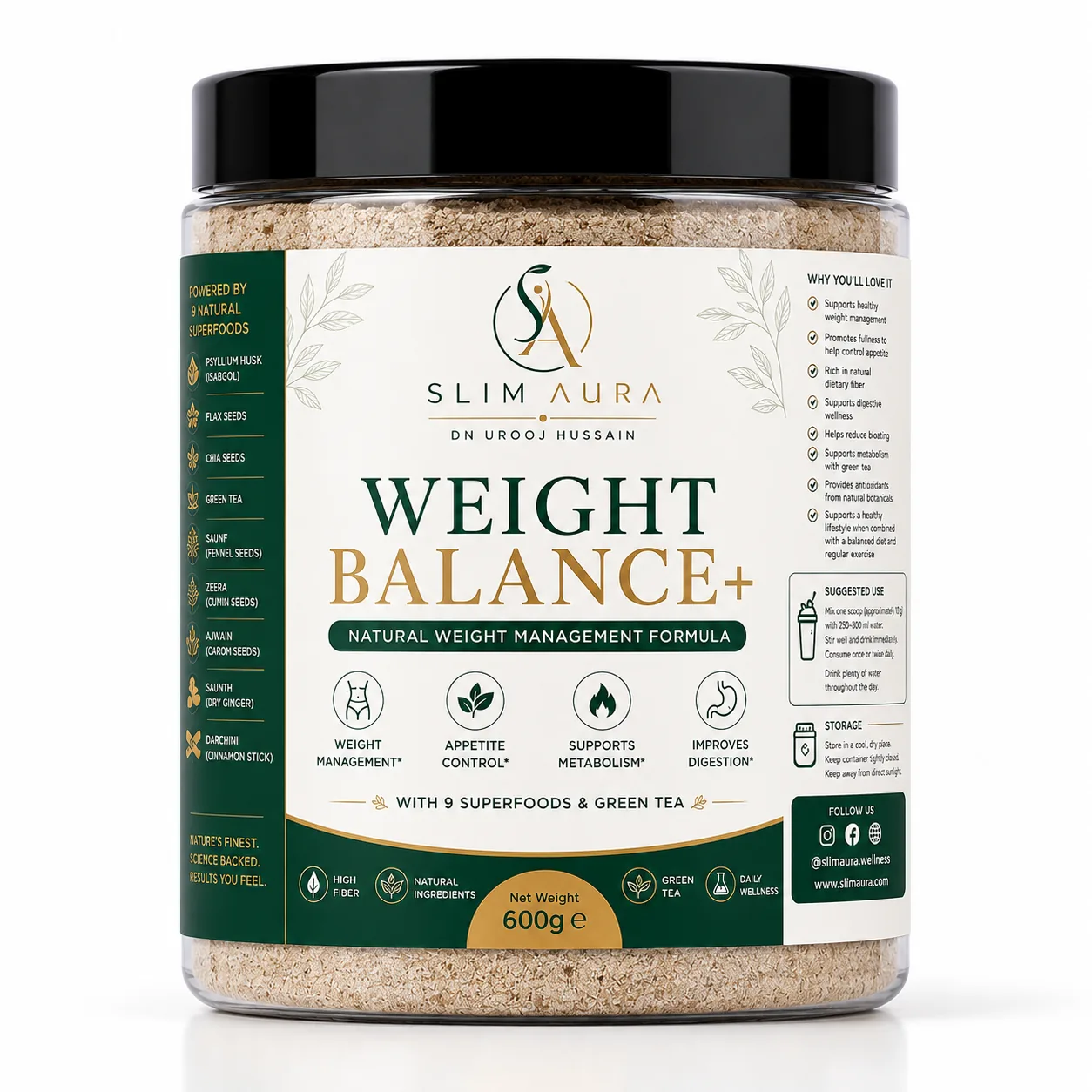
One of the most frustrating things patients with PCOS describe to me is following the same advice that seemed to work for a friend or sister, and seeing little or nothing happen. That experience is real, and it is not a willpower problem. PCOS changes how the body responds to food in ways that generic "eat less, move more" advice does not account for.
Why the standard advice falls short
Insulin resistance is present in a large proportion of PCOS cases, and it changes how the body processes carbohydrate specifically — not just how much food is eaten overall. Two people can eat identical meals and have meaningfully different blood sugar and insulin responses, and generic calorie-focused advice does not address that difference at all.
What actually tends to help more
- Prioritising protein and fibre at every meal, which blunts the blood sugar response more than calorie counting alone.
- Consistent meal timing rather than long gaps followed by large meals.
- Resistance training specifically, which has a documented relationship with insulin sensitivity.
- Sleep and stress management, both of which influence the same hormonal pathways involved in PCOS.
Why the scale can be a misleading measure
PCOS often involves water retention and cycle-related weight fluctuation that has nothing to do with fat gain or loss. Patients who judge progress purely by a daily number on the scale frequently give up on a plan that was, in fact, working — just not in a way the scale reflects on any given day.
“PCOS does not respond to willpower. It responds to a plan built for how the condition actually works — and that plan looks different from generic advice for a real reason.”
Where to go from here
If generic advice has not worked, that is information, not a personal failure — it usually means the advice was not built for PCOS specifically. A structured plan that accounts for insulin resistance, protein and fibre timing, and realistic expectations tends to succeed where the standard advice does not, and it is worth working with a clinician who treats the condition as different, because it is.
This article is provided for general informational purposes and does not constitute medical advice, diagnosis or treatment. Speak to your physician or a qualified practitioner about your own circumstances before making changes, particularly if you are pregnant, nursing, taking medication or managing a medical condition.

Written by
DN Urooj Hussain
Clinical Dietitian & Founder · Doctor of Nutrition (DN)
A clinical dietitian who built the product she kept wishing she could hand her patients.
More writing like this, twice a month
Related articles
 Women's Wellness
28 May 2026 · 4 min read
PCOS and everyday nutrition: where to start
Beyond the internet's contradictory advice — the dietary changes that make the most difference, in the order worth attempting them.
Read articleWomen's Wellness3 September 2026 · 4 min read
Building a PCOS diet plan, step by step
A practical, structured walkthrough of how a PCOS diet plan is actually built in clinic — not a list of foods to avoid, but the order changes are worth making in.
Read article
21 August 2026 · 3 min read
Natural approaches to weight management
"Natural" sells a lot of products and explains very little. Here is what genuinely moves the needle — food first, then movement and sleep, always.
Read article