Women's Wellness3 September 2026 · 4 min read
Building a PCOS diet plan, step by step
A practical, structured walkthrough of how a PCOS diet plan is actually built in clinic — not a list of foods to avoid, but the order changes are worth making in.
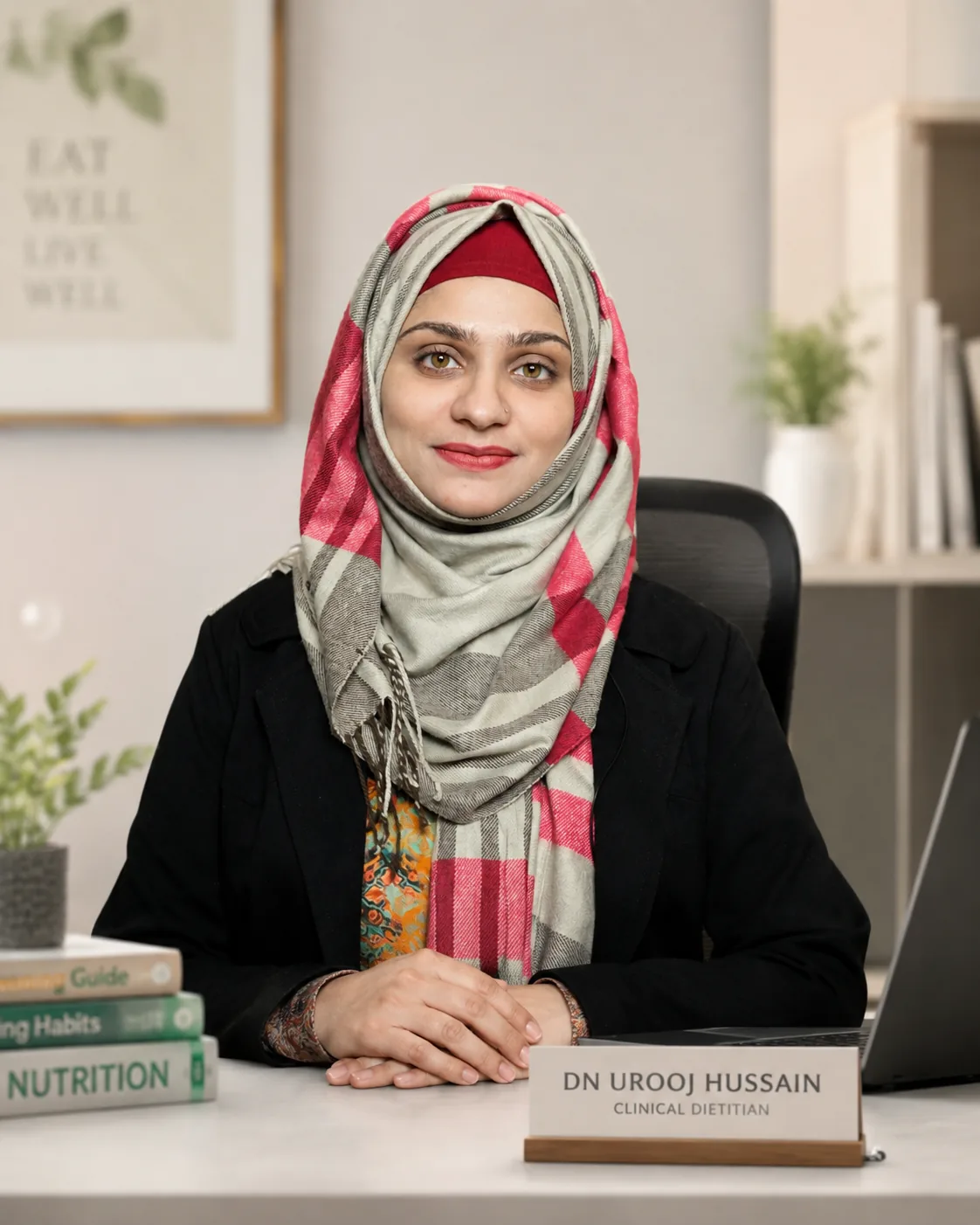
Most of what circulates online about PCOS diet plans is a list of foods to cut out. That is the least useful place to start, and it is rarely how an actual plan gets built in clinic. Here is the structure I use with patients — the order that changes make the most difference in, not a list of restrictions.
Step one: protein at breakfast
This is the single most common gap I see, and closing it tends to produce a noticeable difference before anything else changes. A breakfast built mainly around refined carbohydrate — white bread, sugary cereal, plain paratha — produces a sharper blood sugar rise than one that includes eggs, yogurt, or a pulse-based option like chana or besan chilla.
Step two: fibre at every meal, not just occasionally
Fibre slows how quickly a meal is absorbed, which matters more for PCOS than for most other everyday eating patterns because of how insulin resistance tends to interact with the condition. Whole grains, vegetables, and a fibre supplement where food alone is not closing the gap all serve this same purpose — consistency across meals, not one large fibre-rich meal and two refined ones.
Step three: consistent meal timing
Long gaps followed by a large meal tend to work against blood sugar stability in PCOS specifically. This does not mean eating constantly — it means avoiding the pattern of skipping most of the day and then eating the bulk of it at dinner.
Step four: movement, with resistance work specifically
Regular movement matters broadly, but resistance training in particular has a meaningful, well-documented relationship with insulin sensitivity — which is relevant to PCOS in a way that cardio alone does not fully replicate. It does not need to be intense. Consistency again matters more than intensity.
- Protein at breakfast — the single highest-leverage change, and the easiest to start with.
- Fibre at every meal, from food first, closing any remaining gap with a supplement if needed.
- Consistent meal timing across the day, avoiding long gaps followed by large meals.
- Resistance-focused movement most days, alongside whatever cardio you already enjoy.
- Sleep and stress management, genuinely under-rated levers in PCOS management specifically.
“Patients ask me what to cut out. The better question is usually what to add first — protein and fibre do more work than any single restriction.”
Where a fibre supplement can help
Once these steps are genuinely in place, a fibre-led supplement like Weight Balance+ can help close a specific, common gap — daily fibre intake — for patients whose meals are not consistently reaching a useful amount from food alone. It supports the plan above; it does not replace any step in it.
This article is provided for general informational purposes and does not constitute medical advice, diagnosis or treatment. Speak to your physician or a qualified practitioner about your own circumstances before making changes, particularly if you are pregnant, nursing, taking medication or managing a medical condition.
Written by
DN Urooj Hussain
Clinical Dietitian & Founder · Doctor of Nutrition (DN)
A clinical dietitian who built the product she kept wishing she could hand her patients.
More writing like this, twice a month
Related articles
 Women's Wellness
28 May 2026 · 4 min read
PCOS and everyday nutrition: where to start
Beyond the internet's contradictory advice — the dietary changes that make the most difference, in the order worth attempting them.
Read article Women's Wellness
26 August 2026 · 4 min read
PCOS and weight: why generic advice often fails
Standard "eat less, move more" advice often does not work for PCOS, and that is not a willpower problem. Here is what is different, and what helps instead.
Read article
21 August 2026 · 3 min read
Natural approaches to weight management
"Natural" sells a lot of products and explains very little. Here is what genuinely moves the needle — food first, then movement and sleep, always.
Read article