Nutrition17 December 2026 · 4 min read
Gut health and the microbiome: what actually helps
Gut health has become a buzzword. The actual science behind fibre, fermented foods and your microbiome is more specific, and more useful, than most of what gets said about it.
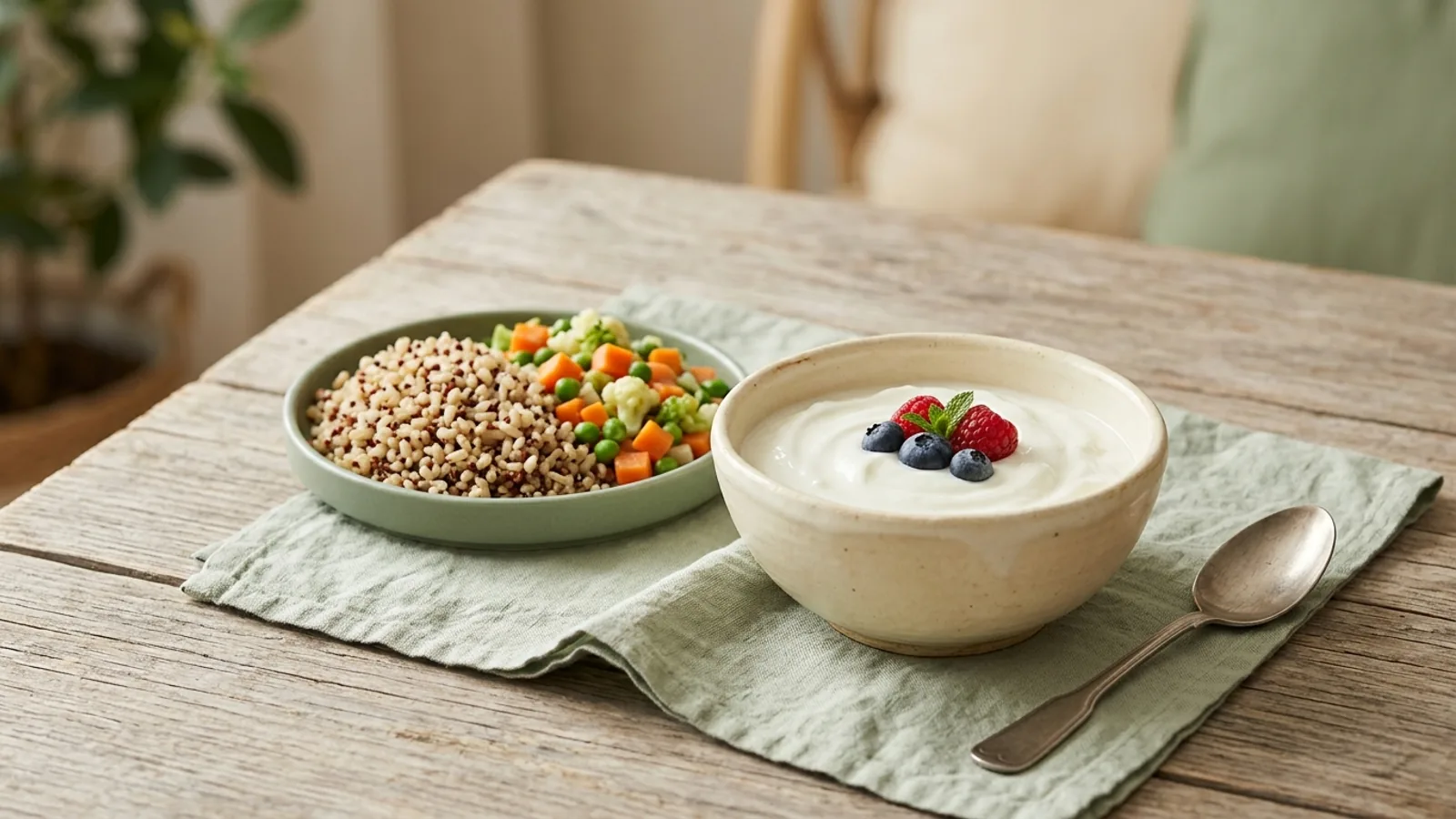
"Gut health" gets used to sell almost anything now, which has made it easy to tune out — but the actual science behind it is specific, well-studied, and genuinely useful once you separate it from the marketing around it.
What the microbiome actually does
Your gut hosts trillions of bacteria that ferment the fibre you eat into short-chain fatty acids — compounds like butyrate, acetate and propionate — which play a real role in energy regulation, immune function and the strength of your gut lining. This is not a vague wellness claim; it is the mechanism fibre actually works through.
Fibre and fermented foods do different jobs
These two get lumped together, but research comparing them directly found distinct effects: a high-fibre diet improved butyrate production and gut transit time without dramatically changing which bacteria were present, while fermented foods — yogurt, kefir, dahi, fermented pickles — measurably increased microbial diversity and immune markers. They are not interchangeable; a gut-health approach that only does one of the two is incomplete.
What this looks like in a Pakistani kitchen
- Dahi (plain yogurt) as a daily staple — one of the most accessible fermented foods already in most households.
- Daal, sabzi and whole grains for fibre, varied across the week rather than repeating the same two or three vegetables.
- Fermented pickles (achaar) in moderation — genuinely useful for diversity, but salt content adds up quickly, so treat it as a condiment, not a side dish.
- Variety itself matters: a wider range of plant foods feeds a wider range of gut bacteria than any single "superfood" can.
Signs worth paying attention to
Persistent bloating, irregular bowel habits, new food sensitivities, or skin flare-ups that track with what you have been eating are all worth noticing — the gut-skin and gut-immune connections are real, even when the exact cause takes some work to pin down.
“Patients often want one gut-health food to add. The honest answer is usually two habits, not one product — fibre and fermentation are doing different jobs, and neither replaces the other.”
For bloating specifically, see Bloating and Digestive Comfort: What Helps. Weight Balance+ is built around a daily fibre blend for exactly this kind of gap. If you would like a gut-health plan built around your own symptoms, book a consultation.
This article is provided for general informational purposes and does not constitute medical advice, diagnosis or treatment. Speak to your physician or a qualified practitioner about your own circumstances before making changes, particularly if you are pregnant, nursing, taking medication or managing a medical condition.

Written by
DN Urooj Hussain
Clinical Dietitian & Founder · Doctor of Nutrition (DN)
A clinical dietitian who built the product she kept wishing she could hand her patients.
From the YouTube channel
Don’t give cow/buffalo milk to your baby below One year |Dietitianuroojhussain|
Diet Plan For Menopause | Common Symptoms of Menopause? | what is the age for Menopause?
important tests before marriage | Shadi Se Pehlay Konse Test Karwane Chahye?
More writing like this, twice a month
Related articles
4 August 2026 · 4 min read
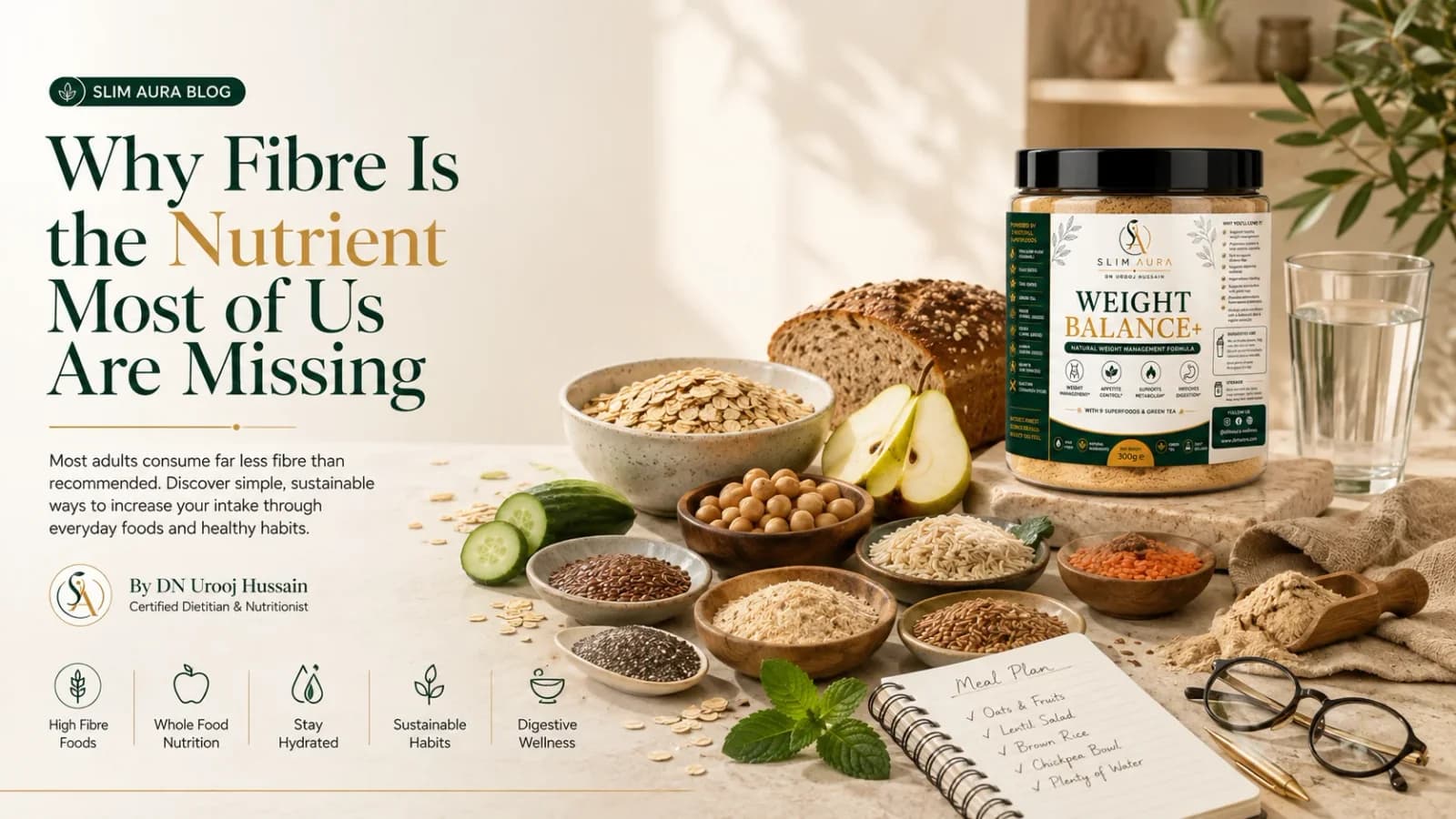
Why fibre is the nutrient most of us are missing
Most adults get roughly half the fibre they need. Here is what that actually changes day to day — and how to close the gap without overhauling your kitchen.
Read article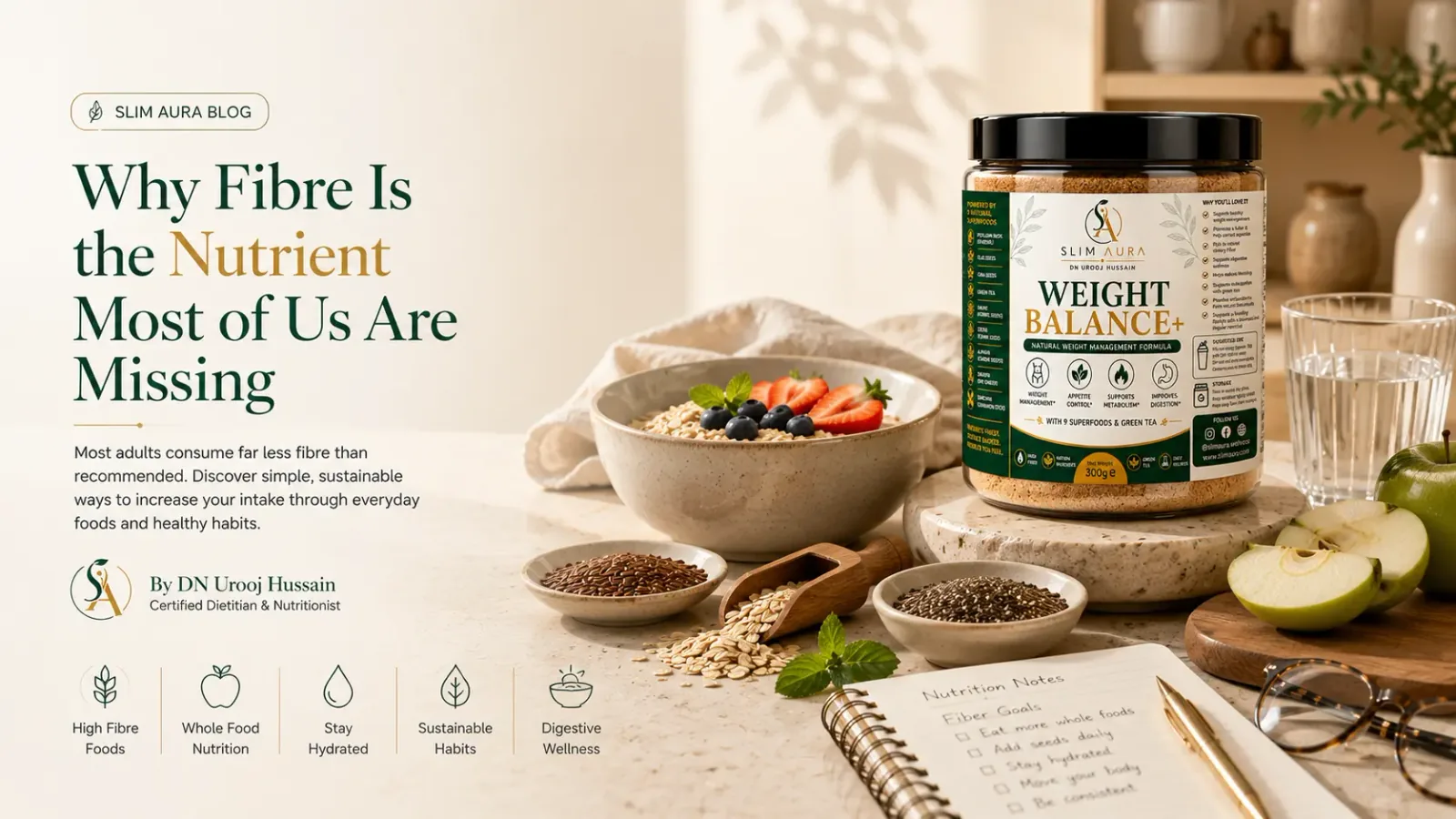
23 August 2026 · 8 min read
Bloating and digestive comfort: what helps
Bloating is one of the most common things patients ask about, and one of the least understood. What usually causes it, what helps, and when to see a doctor.
Read article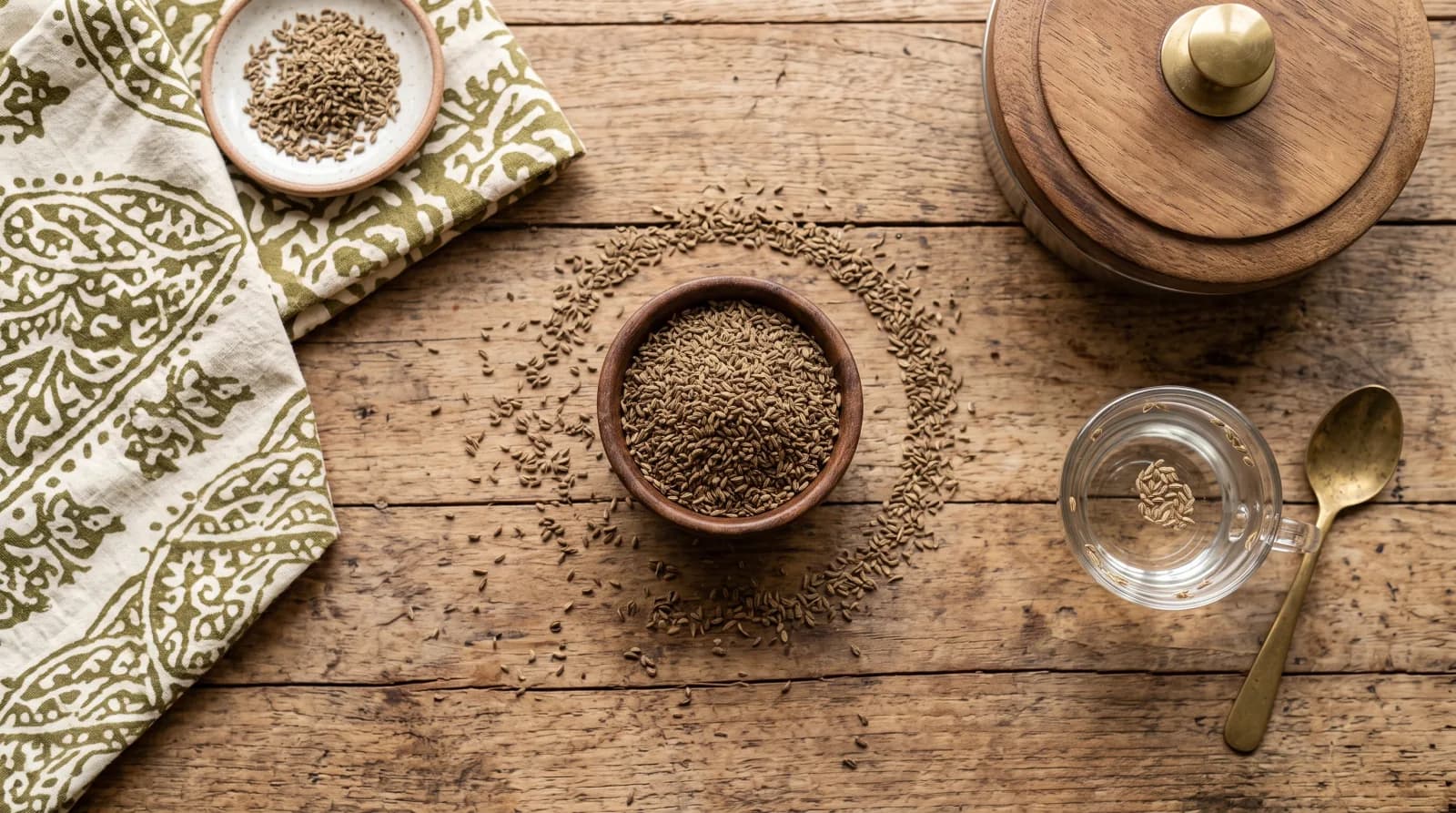 Nutrition
21 September 2026 · 4 min read
Ajwain for bloating: does it work?
Ajwain (carom seeds) has been used in Pakistani kitchens for digestion for generations. Here is what it may actually help with, from a dietitian.
Read article