Women's Wellness24 December 2026 · 4 min read
Protein intake for women: how much is actually enough
Most women eat noticeably less protein than is actually useful for appetite control, muscle and long-term metabolic health. The real numbers, and how to hit them on a Pakistani plate.
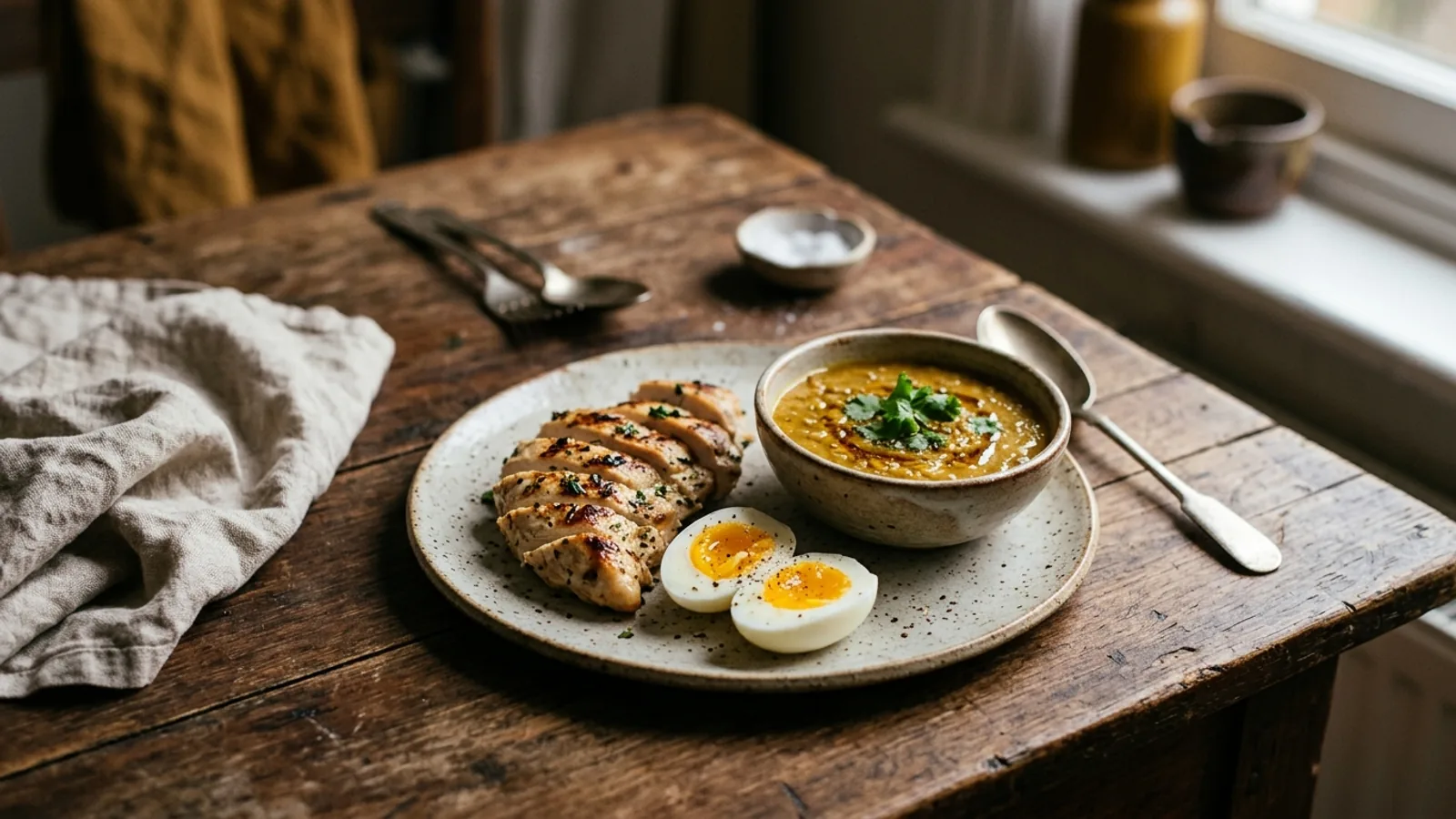
Protein is the most underestimated part of most women's diets I see in clinic — not because anyone is avoiding it deliberately, but because the number most people have in their head for "enough" is genuinely outdated.
The outdated number most people still use
The standard RDA of 0.8 grams of protein per kilogram of body weight is a minimum designed to prevent deficiency — not a target for someone actively trying to manage weight, preserve muscle, or simply feel fuller through the day. More recent evidence points to 1.2 to 1.6 grams per kilogram as a far more useful range for general health outcomes.
Why women specifically tend to fall short
A few patterns show up repeatedly: meals built around roti and rice with a comparatively small protein portion, protein servings at a shared family table that quietly skew smaller for women, and increased requirements around menstruation, pregnancy, breastfeeding and menopause that rarely get factored into daily planning at all.
What the extra protein actually buys you
- Meaningfully better appetite control — roughly 30 grams of protein per meal is the threshold most studies point to for satiety.
- Preserved muscle mass, which matters more with age and during any period of weight loss, since cutting calories without enough protein tends to cost you muscle, not just fat.
- Steadier blood sugar when protein is paired with carbohydrate at the same meal, rather than carbohydrate eaten alone.
What this looks like in practice
For a 60kg woman, 1.2 to 1.6 g/kg works out to roughly 72 to 96 grams of protein a day — spread across meals, that is an egg and a glass of milk at breakfast, a reasonable chicken or daal portion at lunch, and paneer, yogurt or fish worked into dinner, rather than one large serving at a single meal.
“When I add up what most women are actually eating across a day, protein is almost always the macro furthest from where it should be — not fat, and not even carbs.”
Protein pairs directly with the fibre-quality changes covered in Insulin Resistance: The Diet Changes That Actually Matter. If you would like a protein target built around your own weight and activity level, book a consultation.
This article is provided for general informational purposes and does not constitute medical advice, diagnosis or treatment. Speak to your physician or a qualified practitioner about your own circumstances before making changes, particularly if you are pregnant, nursing, taking medication or managing a medical condition.

Written by
DN Urooj Hussain
Clinical Dietitian & Founder · Doctor of Nutrition (DN)
A clinical dietitian who built the product she kept wishing she could hand her patients.
From the YouTube channel
Serum ferritin |Dietitian UroojHussain|
Benefits of dates(کھجور) |Dieititan UroojHussain|
Sudden weight changes in newborn babies |Dietitian Uroojhussain|
More writing like this, twice a month
Related articles
 Women's Wellness
28 May 2026 · 4 min read
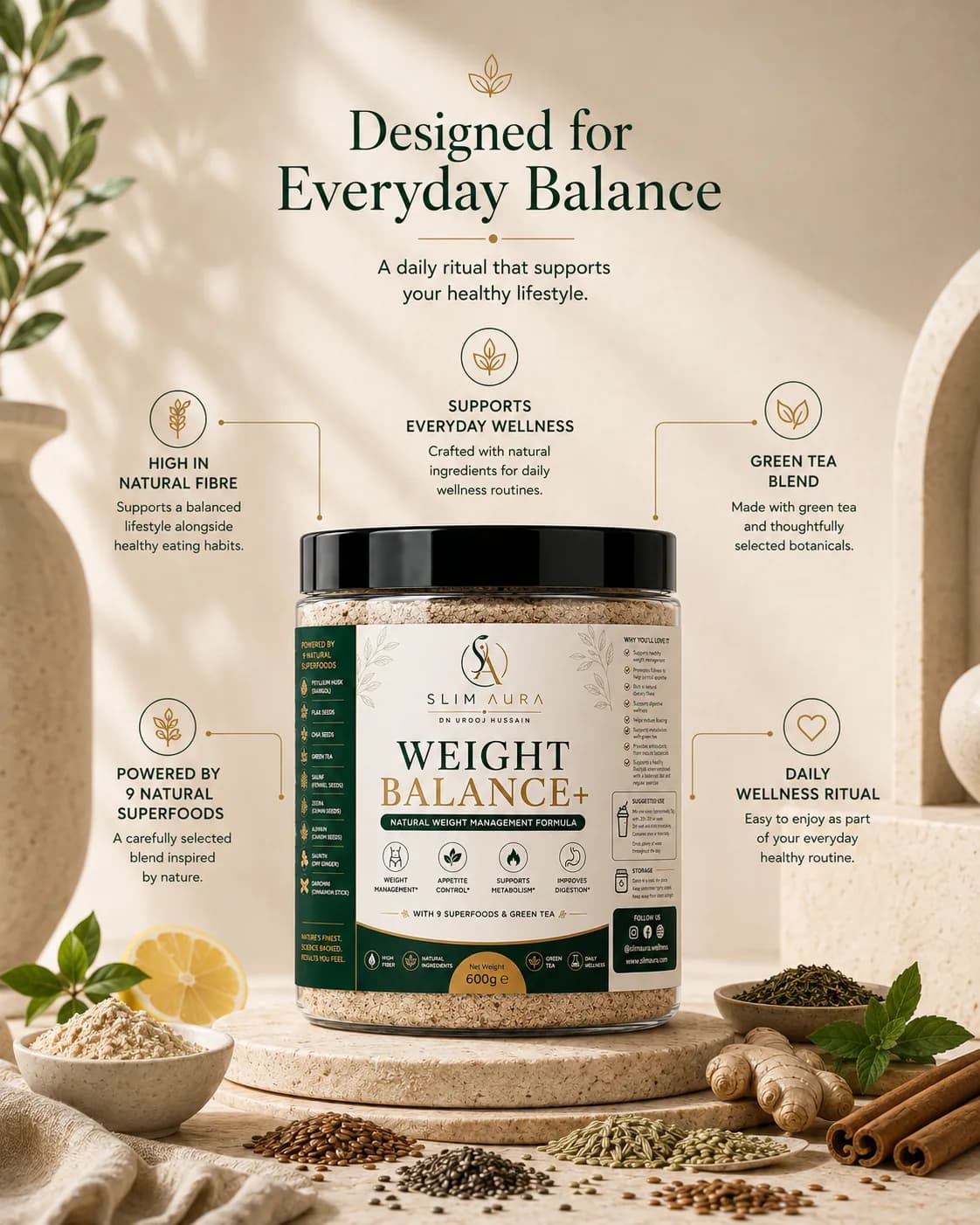
PCOS and everyday nutrition: where to start
Beyond the internet's contradictory advice — the dietary changes that make the most difference, in the order worth attempting them.
Read article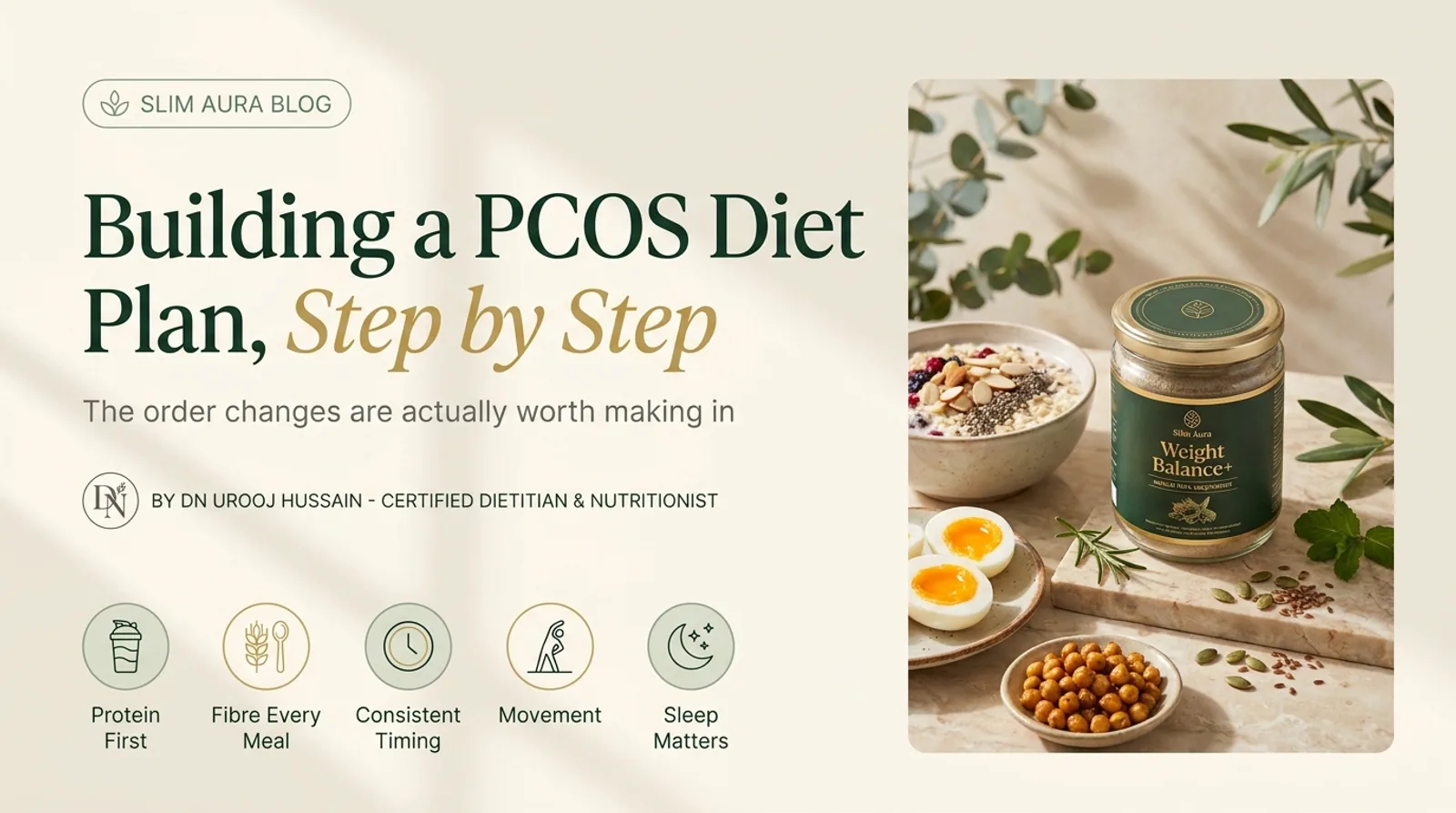
3 September 2026 · 4 min read
Building a PCOS diet plan, step by step
A practical, structured walkthrough of how a PCOS diet plan is actually built in clinic — not a list of foods to avoid, but the order changes are worth making in.
Read article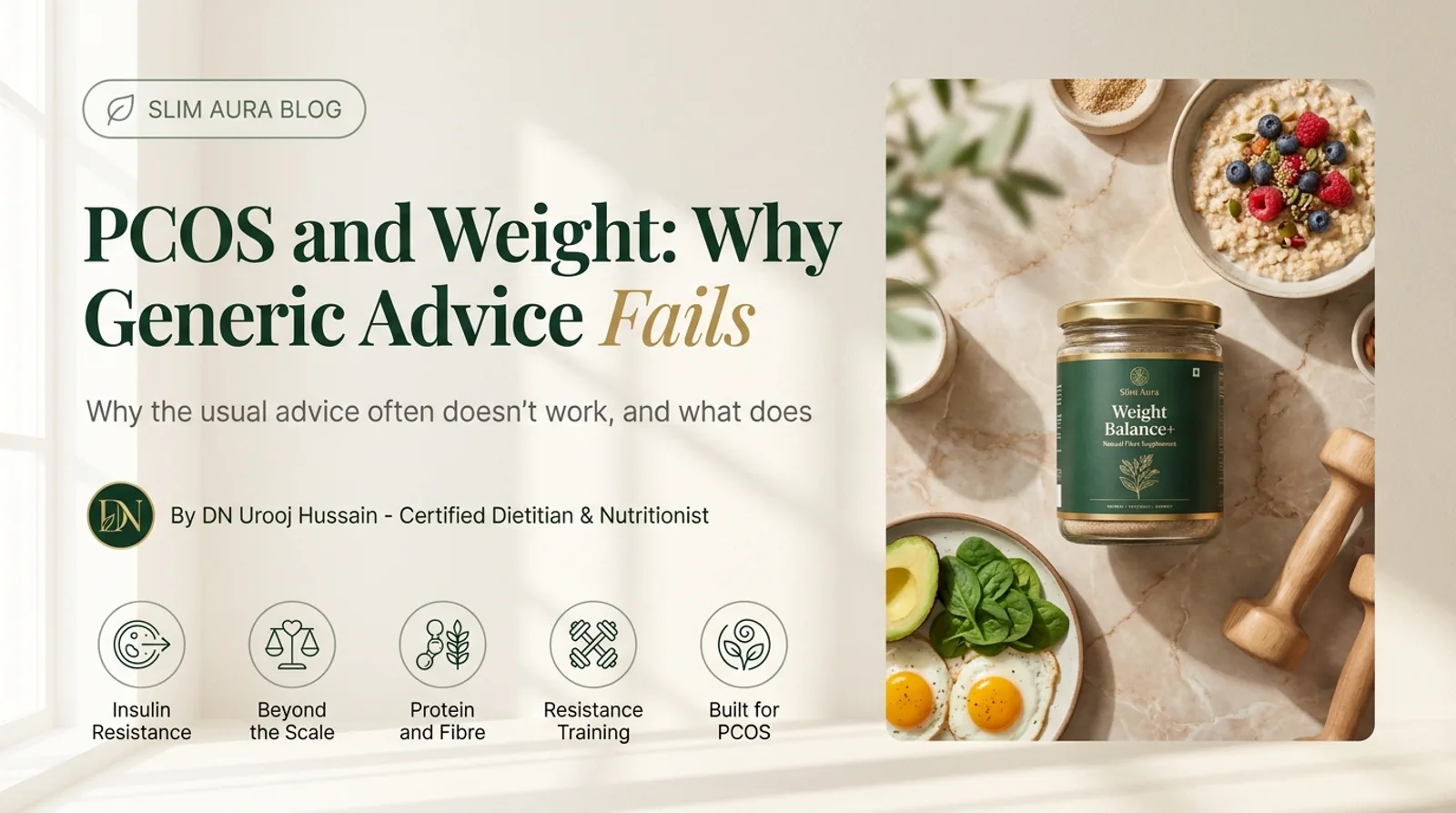
26 August 2026 · 4 min read
PCOS and weight: why generic advice often fails
Standard "eat less, move more" advice often does not work for PCOS, and that is not a willpower problem. Here is what is different, and what helps instead.
Read article