Nutrition4 February 2027 · 4 min read
High cholesterol: the dietary changes that actually move the number
Diet genuinely changes LDL cholesterol — but not through the single foods most people blame. Here is what the evidence actually supports.
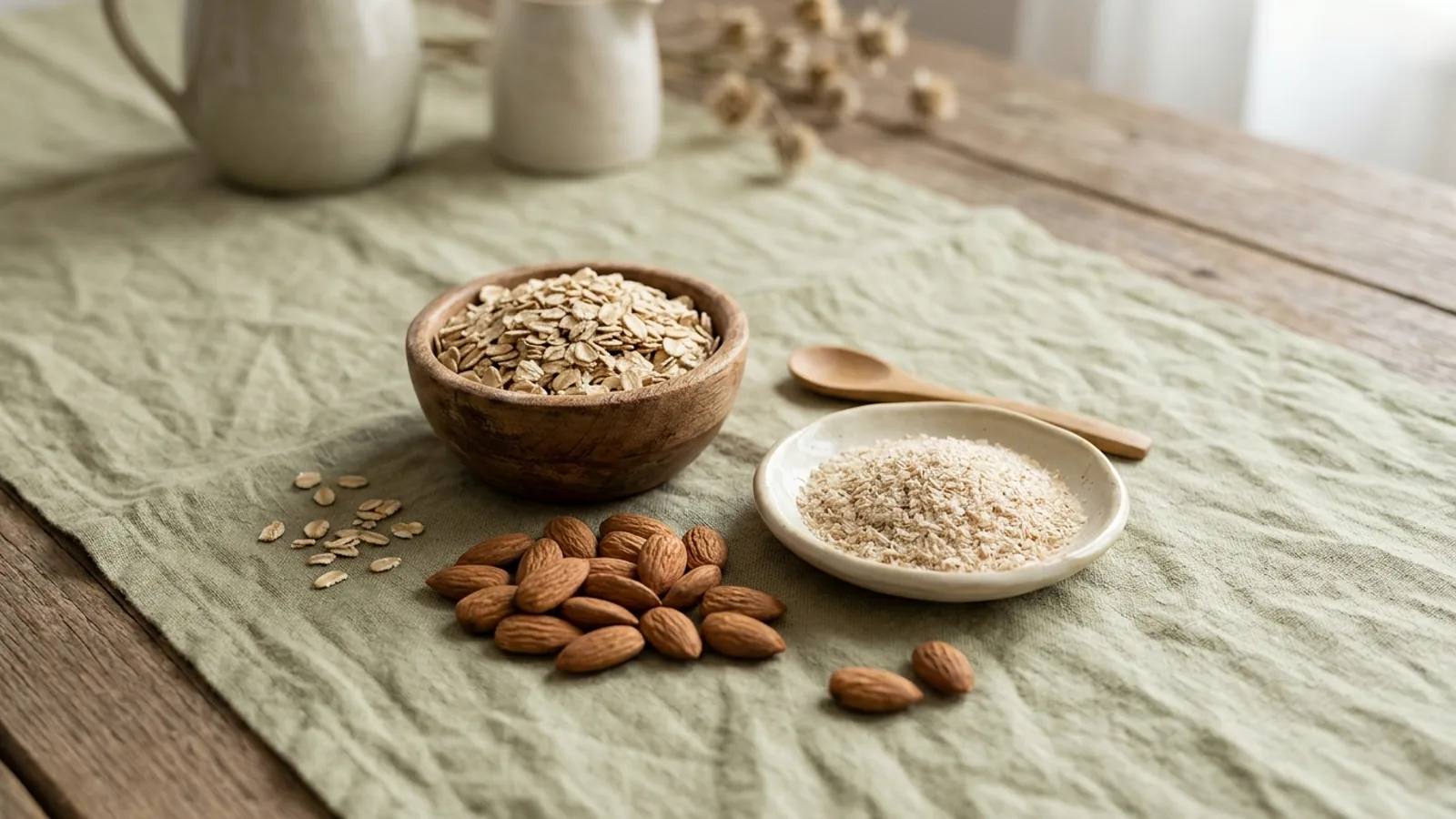
A high cholesterol result usually arrives with a vague instruction to "watch your diet," and little else. In practice, a handful of specific, well-studied changes do move the number — and several commonly blamed foods matter far less than people assume.
The strongest evidence: soluble fibre
A systematic review covering 67 trials — 17 of them using psyllium specifically — found that 2 to 10 grams a day of soluble fibre produced a small but statistically significant drop in LDL cholesterol, with the effect size consistent across different soluble fibre sources. The mechanism is well understood: soluble fibre binds bile acids in the gut, which the liver then has to draw cholesterol out of the bloodstream to replace.
A twelve-week trial in JAMA Internal Medicine took this further, adding 15 grams of psyllium daily to a modest 10mg dose of simvastatin. The combination lowered LDL by about as much as doubling the statin dose to 20mg alone — a striking result for a dietary addition with essentially none of a medication's side-effect profile.
What actually matters less than people think
Dietary cholesterol from eggs and shellfish has a far smaller effect on blood cholesterol than once believed — the liver compensates by producing less of its own. Saturated fat still matters, but the bigger, more consistently modifiable lever for most people is fibre intake and the balance of unsaturated fats, not eliminating eggs.
A realistic daily approach
- A soluble-fibre source daily — oats, psyllium, legumes or isabgol — in the 5 to 10 gram range shown to move LDL.
- Replacing some saturated fat (ghee, red meat fat) with unsaturated sources (olive oil, nuts, oily fish).
- Regular movement, which raises HDL independently of weight change.
- Reducing refined carbohydrate and added sugar, which affects triglycerides more than fat intake typically does.
“Patients are often relieved to learn the fix is not giving up eggs forever — it is adding something, specifically fibre, far more than it is removing something.”
Weight Balance+ includes psyllium husk at a dose within the clinical range discussed above — see Is Psyllium Husk (Isabgol) Safe for Daily Use? for the full safety and dosing picture.
This article is provided for general informational purposes and does not constitute medical advice, diagnosis or treatment. Speak to your physician or a qualified practitioner about your own circumstances before making changes, particularly if you are pregnant, nursing, taking medication or managing a medical condition.

Written by
DN Urooj Hussain
Clinical Dietitian & Founder · Doctor of Nutrition (DN)
A clinical dietitian who built the product she kept wishing she could hand her patients.
From the YouTube channel
Sudden weight changes in newborn babies |Dietitian Uroojhussain|
Sudden weightloss in babies |Dietitianuroojhussain|
Don’t give cow/buffalo milk to your baby below One year |Dietitianuroojhussain|
More writing like this, twice a month
Related articles
4 August 2026 · 4 min read
Why fibre is the nutrient most of us are missing
Most adults get roughly half the fibre they need. Here is what that actually changes day to day — and how to close the gap without overhauling your kitchen.
Read article
23 August 2026 · 8 min read
Bloating and digestive comfort: what helps
Bloating is one of the most common things patients ask about, and one of the least understood. What usually causes it, what helps, and when to see a doctor.
Read article Nutrition
21 September 2026 · 4 min read
Ajwain for bloating: does it work?
Ajwain (carom seeds) has been used in Pakistani kitchens for digestion for generations. Here is what it may actually help with, from a dietitian.
Read article