Women's Wellness15 October 2026 · 4 min read
Pregnancy supplements & diet by trimester
Which supplements and diet changes actually matter in each trimester of pregnancy — folic acid, iron, calcium and vitamin D3 — from a clinical dietitian.

Pregnancy nutrition advice tends to arrive as one long list, when in reality what your body needs shifts meaningfully as pregnancy progresses. Breaking it down by trimester makes it far easier to actually apply — here is what matters most at each stage, and why.
The three trimesters, briefly
Pregnancy is generally divided into three stages: the first trimester covers roughly the first three months, the second trimester spans months four through six, and the third trimester covers the final stretch through to delivery. Nutritional priorities shift at each stage because the baby's development itself is shifting.
First trimester: folic acid and stable energy
This is the stage where the embryo's basic structure is forming, which is exactly why folic acid matters so much here specifically. Adequate folic acid intake in early pregnancy is strongly associated with a reduced risk of neural tube defects — the standard recommendation is at least 400 micrograms daily starting before conception where possible and continuing through the first trimester, with a considerably higher dose recommended for women with a prior neural tube defect-affected pregnancy, under a doctor's guidance.
Low blood pressure and fatigue are also common in this stage, largely because a growing share of the body's energy is being directed toward the developing embryo. Stable, easily digestible carbohydrates — potatoes, boiled rice, sweet potatoes — alongside natural sources of sugar like fruit, dates and berries rather than refined sugar, help keep energy and blood pressure steadier through this period.
Second trimester: iron, calcium, and vitamin D3
This is when the baby's muscle and bone development accelerates meaningfully, which shifts the nutritional priority toward iron and calcium.
Iron, and why timing matters
Iron needs increase substantially in the second trimester. Pairing iron with vitamin C — citrus fruit, for instance — genuinely improves how well it is absorbed. What is less commonly known: iron and calcium compete for absorption when taken together, so it is worth spacing them apart, for example iron in the morning and calcium in the evening, or vice versa, rather than taking both at the same time. Dates, pomegranate and raisins are useful everyday dietary sources of iron alongside any supplement prescribed.
Calcium and vitamin D3
Dairy — milk, yogurt, cheese — is the most straightforward dietary source of calcium. Vitamin D3 is worth specific attention because the body does not produce it from diet alone; regular, sensible sun exposure alongside a supplement where recommended by your doctor helps prevent a deficiency that becomes particularly relevant later, when bone strength matters for both mother and baby through breastfeeding.
“None of these needs are the same in every trimester. Treating pregnancy nutrition as one static list is why so many women end up under-supplemented exactly when it matters most.”
Third trimester: scaling everything up
The baby is growing rapidly in this final stretch, and nutritional demand increases correspondingly. This is generally the stage to increase — not maintain — hydration, iron and calcium intake, under your doctor's guidance on exact amounts. If intake is not increased to meet this demand, the baby's needs are still met, but largely by drawing on the mother's own reserves — which is exactly why fatigue and depletion are so commonly reported around delivery and into the breastfeeding period that follows.
If you would like a pregnancy nutrition plan built around your specific trimester and history, book a consultation.
This article is provided for general informational purposes and does not constitute medical advice, diagnosis or treatment. Speak to your physician or a qualified practitioner about your own circumstances before making changes, particularly if you are pregnant, nursing, taking medication or managing a medical condition.

Written by
DN Urooj Hussain
Clinical Dietitian & Founder · Doctor of Nutrition (DN)
A clinical dietitian who built the product she kept wishing she could hand her patients.
More writing like this, twice a month
Related articles
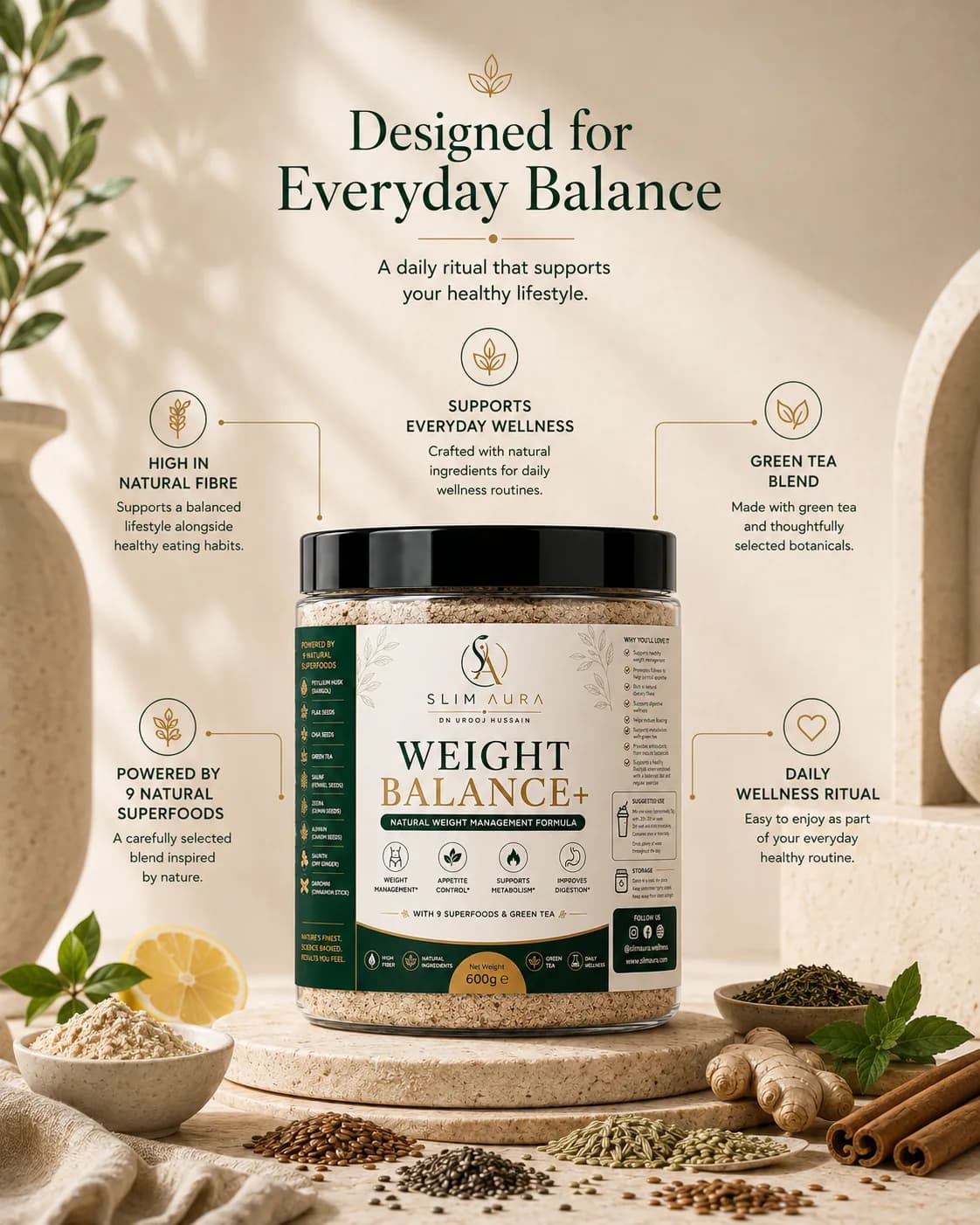 Women's Wellness
28 May 2026 · 4 min read
PCOS and everyday nutrition: where to start
Beyond the internet's contradictory advice — the dietary changes that make the most difference, in the order worth attempting them.
Read article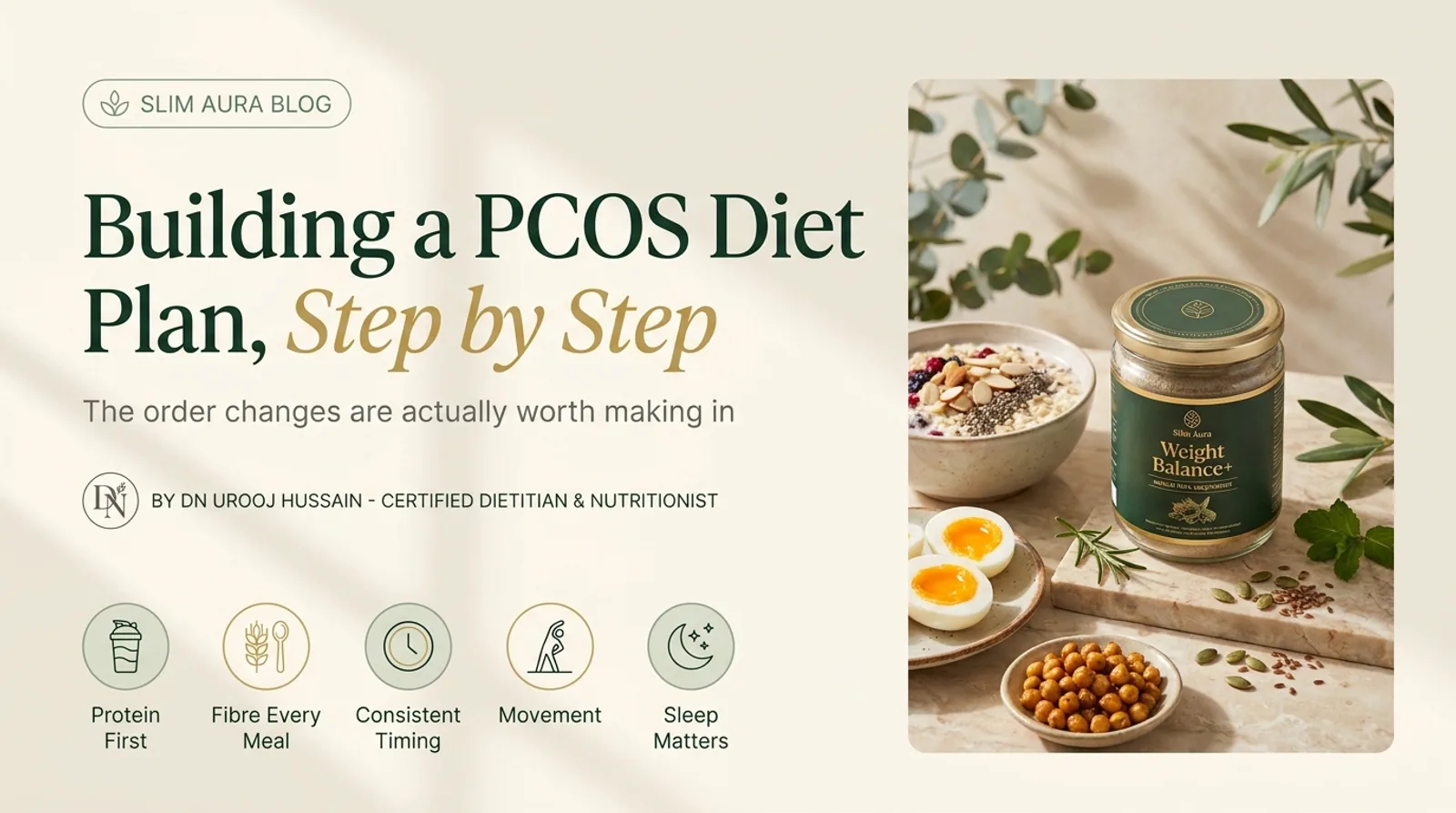
3 September 2026 · 4 min read
Building a PCOS diet plan, step by step
A practical, structured walkthrough of how a PCOS diet plan is actually built in clinic — not a list of foods to avoid, but the order changes are worth making in.
Read article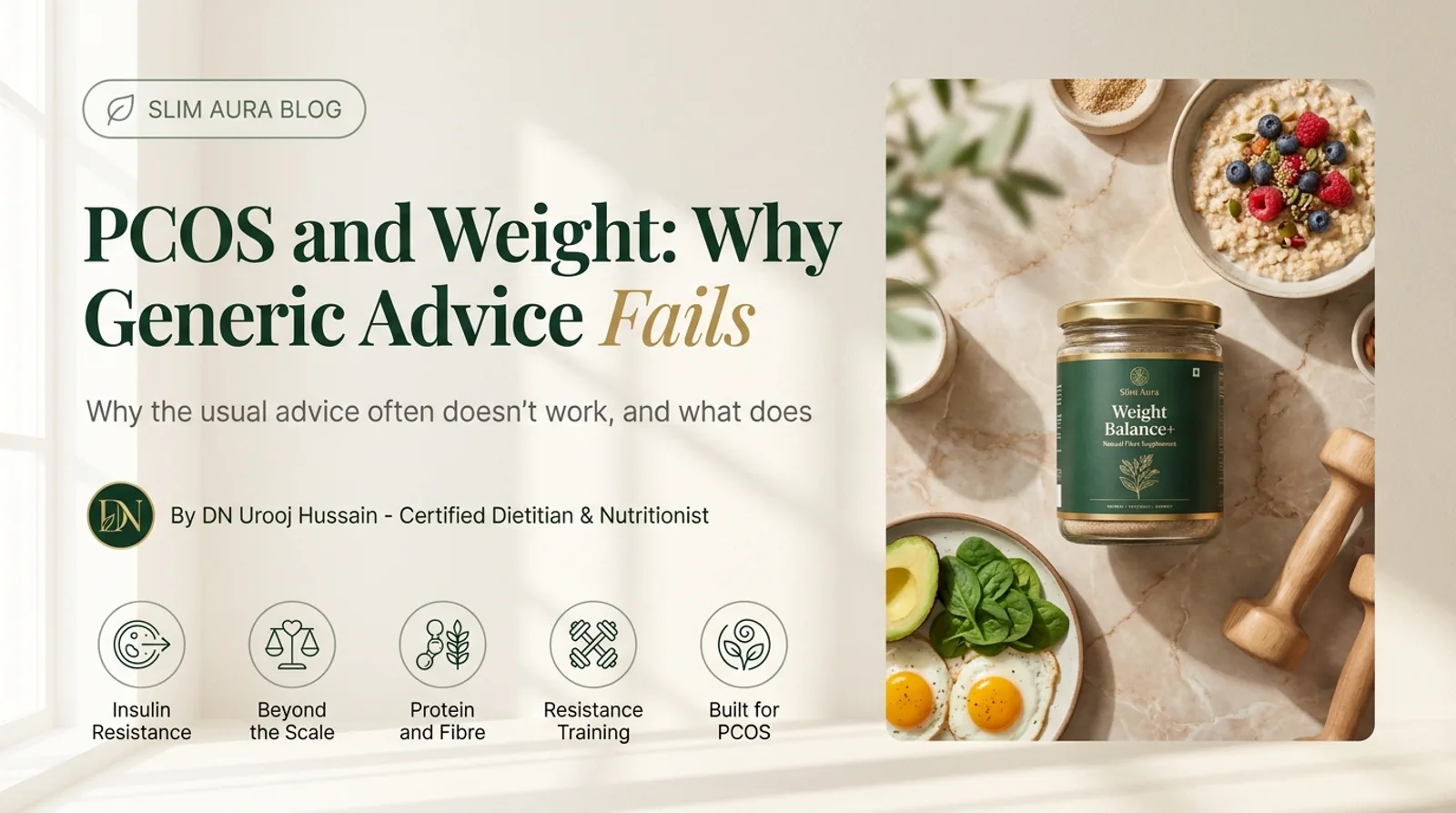
26 August 2026 · 4 min read
PCOS and weight: why generic advice often fails
Standard "eat less, move more" advice often does not work for PCOS, and that is not a willpower problem. Here is what is different, and what helps instead.
Read article